




Clinical Study to Analyze Skin Reactions to Continuous Glucose Monitors
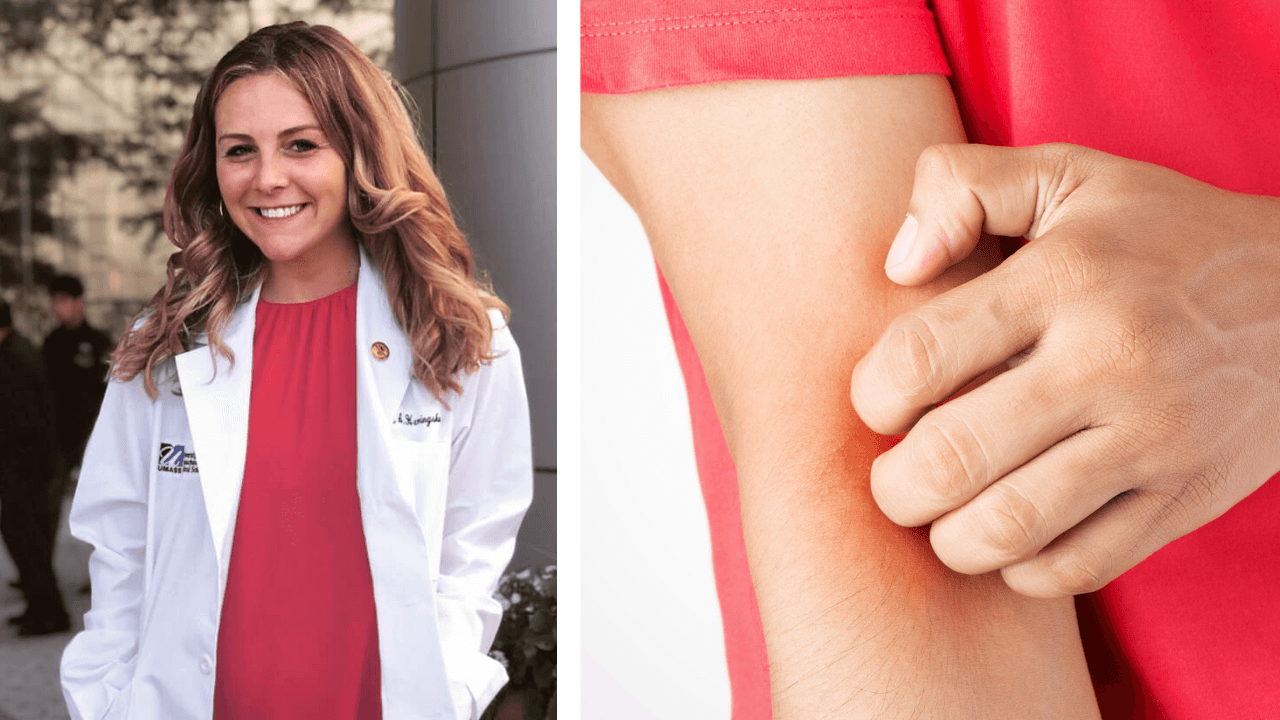
Continuous glucose monitors (CGMs) have transformed diabetes management by providing people with real-time information about their glucose levels. However, some people develop skin irritation or other reactions from wearing the devices.
A clinical study is examining these reactions to better understand how often they occur, what may contribute to them and how people attempt to prevent or treat them.
Understanding Skin Reactions to CGMs
The study was developed by Emilee Herringshaw, MD, MBA, who was diagnosed with type 1 diabetes as a toddler and graduated from UMass Chan in 2024. She is continuing her medical training as a dermatology resident at UMass Memorial Health.
While a medical student, she received a clinical research grant from the American Contact Dermatitis Society to develop a pilot study evaluating skin reactions associated with specific CGM models.
The study uses a standardized survey to collect information about the severity and location of skin reactions, along with factors that may affect them, such as where a sensor is placed and the season in which it is worn. They are also examining strategies people have tried to prevent or treat reactions and whether those approaches have been effective.
Making the Study More Accessible
Funding allowed the survey to be translated into Spanish and Portuguese to make participation available to more patients.
Early responses demonstrated the importance of studying CGM-related skin reactions. More than half of the initial respondents reported experiencing a reaction to a CGM sensor. Among those reporting reactions, nearly half had previously used other CGMs, and some had tolerated an earlier device before developing a reaction to a newer one.
People with diabetes have also shared strategies for managing CGM-related skin problems, including wound or adhesive film dressings and adhesive barrier wipes.
A Collaborative Effort
Wei-Che Ko, MD, Director of the Contact Dermatitis Clinic and Research Center at UMass Chan, has worked with Dr. Herringshaw to analyze data collected through the study.
The project received guidance and support from David Harlan, MD, co-director of the UMass Chan Diabetes Center of Excellence; endocrinologist Samir Malkani, MD, Clinical Chief of the Division of Diabetes, Endocrinology and Metabolism; and Cheryl Barry, RN, CDCES, Manager of the Adult Diabetes Education Program at UMass Memorial Health.
Their expertise contributed to development of the survey and registry and interpretation of the data collected.
Participate in the Study
Anyone can complete the initial survey and may be invited to complete follow-up surveys at six-month intervals.
The long-term goal is to expand the pilot project into a larger study and database to improve understanding of CGM-related skin reactions.
Related Articles
Emilee Herringshaw: Type 1 Diabetes Success Story
The Latest Blood Glucose Management Tools and Products
Diabetes Nurse Practitioner Nancy Sidhom Describes the Benefits of Continuous Glucose Monitors