




Taylor Connor: Type 1 Diabetes Success Story
Date Posted: Wednesday, March 02, 2022Taylor was diagnosed with type 1 diabetes at age 5, shortly after moving with her mother and sister from Oregon to Phoenix, Arizona. At a school physical, her mother mentioned concerns that she might be struggling with the Arizona heat, but bloodwork at Phoenix Children’s Hospital revealed type 1 diabetes. Her mother gave her daily insulin shots and for a brief time, things were manageable. However, after her mother remarried and the family moved back to Oregon, life became unstable. Her diabetes care suffered badly, and the support she needed was no longer there.
When Taylor was 8, she and her sister entered foster care. For the first time, she was expected to manage much of her diabetes on her own, including giving herself insulin injections. A few years later, her birth father gained custody, and the girls moved to Massachusetts. A more stable environment led to more consistent diabetes care, but T1D remained a heavy burden.
Living in Survival Mode
As a teenager, Taylor often felt overwhelmed, ashamed, and angry. She struggled emotionally and tried to hide her diabetes from classmates and peers. She injected insulin in the bathroom so no one would see, and routine diabetes appointments in Boston often felt stressful rather than supportive. Looking back, she understands that her providers were trying to help, but at the time, the experience left her feeling discouraged rather than empowered.
By age 18, Taylor had dropped out of high school, cut ties with her family, and was living on her own. She ended up hospitalized at UMass Memorial with diabetic ketoacidosis (DKA) after going a couple of days without insulin. Without stable finances or reliable access to care, she stopped seeing doctors regularly. She rationed insulin, stretched prescriptions however she could, and bounced between urgent care centers and walk-in clinics just to get by.
After that hospitalization, Taylor began receiving diabetes care at UMass Memorial. She earned her GED and graduated from college, but even while moving forward in other areas of life, diabetes continued to feel overwhelming. She often found it easier to ignore her condition than face it head-on.
It’s Never Too Late to Take Control
As a young adult, her A1c reached 15% and stayed dangerously elevated for several years. But after making a personal commitment to her health, she gradually transformed her diabetes management and reached an all-time low A1c of 6.4%.
She transitioned to the adult diabetes clinic at UMass Memorial and told the care team she was ready to put in the work. She began checking her blood sugar consistently, taking insulin as prescribed, and meeting regularly with her providers. Those visits became a turning point. Taylor felt supported in a new way. Her care team fine-tuned her insulin regimen, and a diabetes educator introduced her to an insulin pump.
“That pump was life-changing,” she said. “For once in my life, I felt like I was in control of my diabetes and not the other way around.”
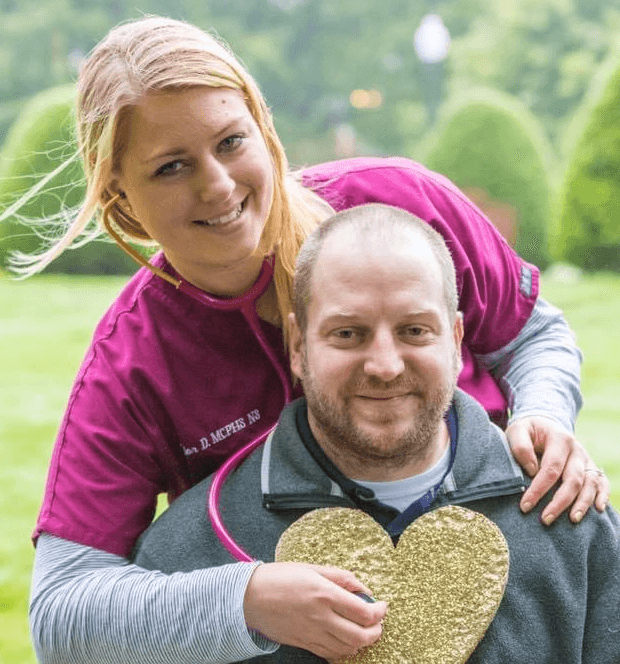
Results came quickly. Her A1c dropped from 13.2% to 8.2% within the first 45 days of using the pump. Within a few months, it fell to 7.1. That progress inspired her to pursue a career in nursing.
Building a Healthier Life
Along the way, Taylor became more intentional about nutrition. After concerns arose about her kidney function, she began researching healthier ways to eat and chose a mostly vegetarian or vegan approach. She still enjoys meat and animal products from time to time, but far less often than before.
Taylor now encourages others who are struggling with diabetes to be open with their care team about what they are facing, whether that means emotional burnout, financial strain, transportation barriers, or trouble accessing supplies.
Moving Forward with Purpose
For years, Taylor felt like diabetes controlled her life. Today, she manages T1D with confidence as part of her everyday life.
Her story is not just about improved A1c levels. It is about resilience, second chances, and the power of support, self-belief, and persistence. No matter how hard the road has been, it is never too late to make a change.