

Edward Smith Lecture 2026
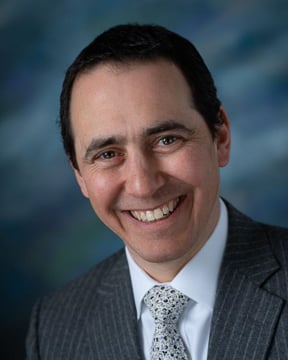
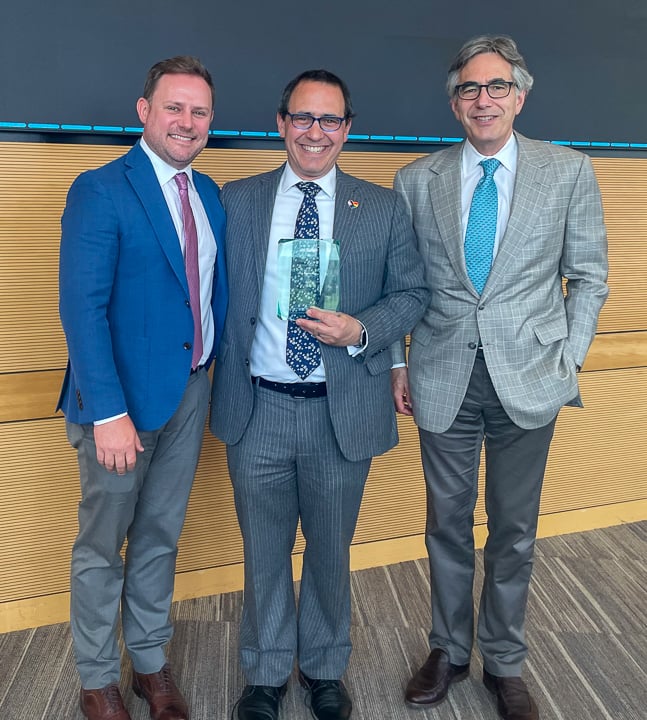
We were delighted to welcome Dr. David A. Rosman, MD, MBA as the 19th Annual Edward H. Smith Annual Lecturer on June 11, 2026.
Dr. Rosman built his career around the belief that physicians should help shape not only patient care, but also the systems in which care is delivered. Although trained as an abdominal radiologist, his work has increasingly focused on leadership, advocacy, healthcare operations, and physician engagement. Across clinical practice, administration, scholarship, education, and organized medicine with a set goal to improve healthcare while strengthening the physician role in leading it.
Dr. Rosman’s interest in advocacy began in medical school through organized medicine and healthcare policy work, leading to leadership roles within the American Medical Association, including service on the AMA Board of Trustees as the medical student representative. These experiences reinforced his belief that advocacy is an extension of clinical care because policy decisions directly affect patient outcomes.
Within the Massachusetts Medical Society, Dr. Rosman served in multiple leadership positions before becoming President during the COVID-19 pandemic. In that role, he frequently represented physician perspectives to policymakers, the media, and the public on issues including pandemic response, workforce strain, and health inequities, underscoring the importance of physician leadership during periods of rapid change.
At Massachusetts General Hospital and Mass General Brigham, his leadership roles in ambulatory imaging, enterprise radiology, and operational strategy have focused on expanding access to imaging services while integrating academic radiology into community settings without compromising subspecialty expertise or physician engagement.
Dr. Rosman’s scholarship has centered on healthcare policy, imaging utilization, reimbursement, geographic inequities, and clinical decision support, often addressing operational challenges encountered in practice. A particularly meaningful chapter of his career involved work in Rwanda through the Human Resources for Health initiative, where he developed sustainable imaging infrastructure and training programs in a resource-limited setting.
Teaching and mentorship remain among the most rewarding aspects of his career. Across all of these roles, the common thread has been a commitment to improving healthcare systems while preserving the central role of physicians in leading and advocating patients.