




From the Laboratory to Patients: A Roadmap for Type 1 Diabetes Stem Cell Therapies
Date Posted: Friday, July 24, 2026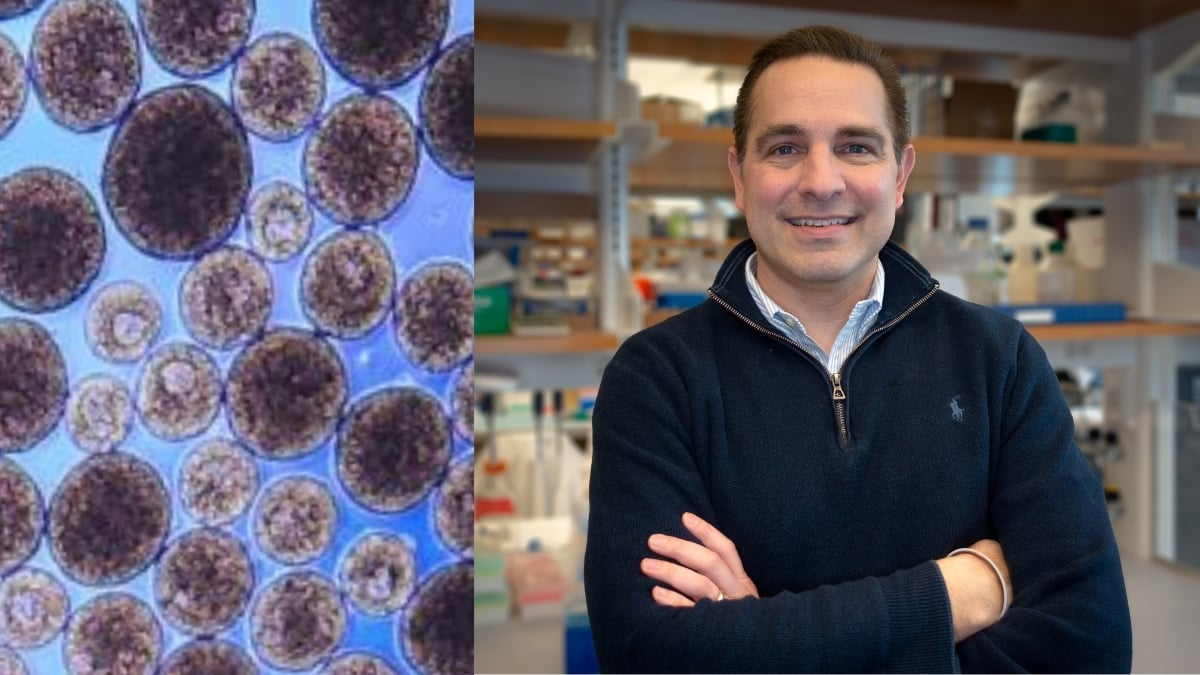
Transplanting stem cell-derived insulin-producing islets into people with type 1 diabetes has emerged as one of the field's most promising potential approaches for restoring the body's natural control of blood glucose.
A major focus of the Diabetes Center of Excellence at UMass Chan Medical School is developing ways to help these cells survive and function after transplantation while protecting them from immune attack. The goal is to create a durable cell replacement therapy that does not require lifelong immunosuppressive medications.
A new review published in Stem Cell Reports discusses how these therapies can be manufactured consistently, tested rigorously and evaluated safely before reaching patients. Co-authored by Michael Brehm, PhD, the Harvey A. Shultz Chair in Diabetes, Co-Director of the Diabetes Center of Excellence, and Professor of Molecular Medicine at UMass Chan Medical School, the review was developed with funding and support from Breakthrough T1D and brings together experts from academia, industry and regulatory consulting.
"The field is advancing rapidly, and with that progress comes the responsibility to ensure these therapies are developed with the highest standards for safety and quality," said Dr. Brehm. "This review offers guidance on generating the evidence needed to move promising therapies from the laboratory into well-designed clinical trials."
Building a Roadmap for Continued Progress
Unlike traditional drugs, living cell therapies require careful evaluation throughout development. Researchers must demonstrate not only that a therapy works, but that it can be manufactured reliably, remains biologically consistent and meets rigorous safety standards before entering human trials.
The review outlines best practices for:
- Selecting appropriate laboratory and animal models
- Evaluating safety risks unique to stem cell-derived therapies
- Developing scalable, consistent manufacturing processes
- Establishing quality control testing for identity, purity, safety and function
The Potential of Stem Cell-Derived Islets
While insulin therapy has transformed the lives of people with type 1 diabetes, it cannot fully replicate the body's natural regulation of blood glucose. Donor islet transplantation has demonstrated that cell replacement can work, but the approach is limited by donor availability and the need for lifelong immunosuppression.
Stem cell-derived islets offer the possibility of an essentially unlimited supply of replacement cells. Researchers at UMass Chan and around the world are developing immune-protective strategies, including gene editing, to help transplanted cells survive while reducing—or potentially eliminating—the need for lifelong immunosuppression.
Creating Shared Standards for Progress
"Developing effective cell therapies requires more than scientific innovation," said Dr. Brehm, an investigator with the Breakthrough T1D Barbara Dewey Cammett Center of Excellence in New England. "It also requires a shared understanding of how to evaluate these therapies, manufacture them consistently and demonstrate their safety. We hope this review serves as a practical resource for investigators working to accelerate new treatment options for people like me living with type 1 diabetes."
Related Articles
Michael Brehm Named DCOE Co-Director Continuing Dale Greiner's Legacy
Engineering Insulin-Producing Cells to Evade the Immune System and Eliminate Type 1 Diabetes
Investigating CAR T Cell Therapy Targeting Type 1 Diabetes Specific Cells in the Kent and Brehm Labs
More Diabetes Center of Excellence News