




Investigating CAR T Cell Therapy Targeting Type 1 Diabetes Specific Cells in the Kent and Brehm Labs
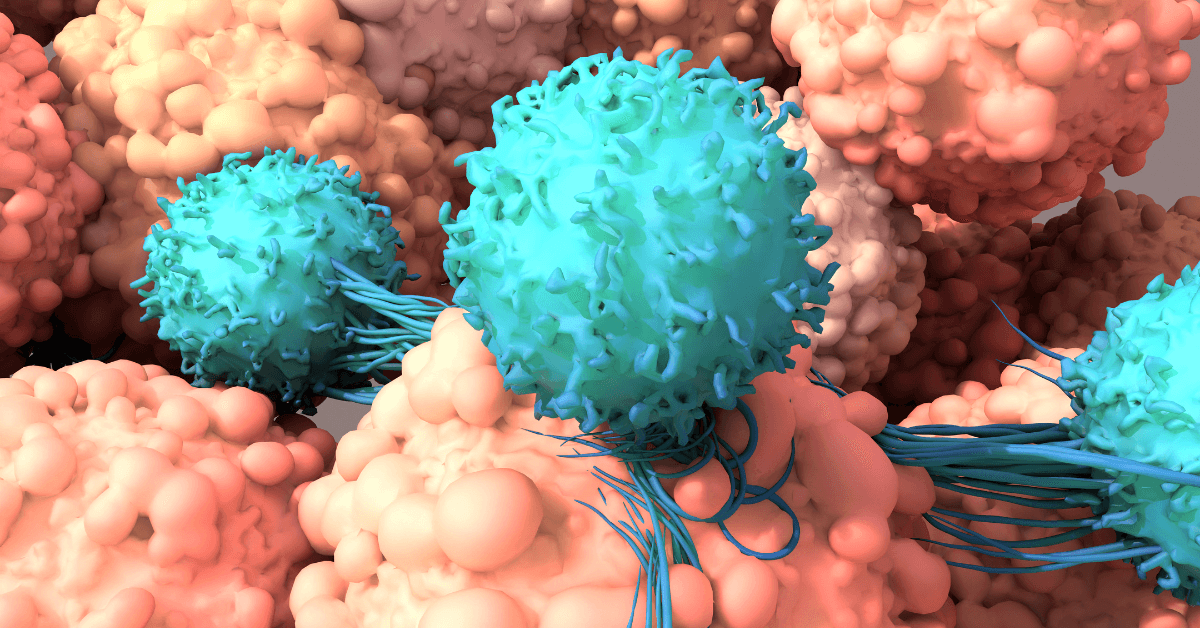
Chimeric antigen receptor (CAR) T-cell therapy uses engineered T cells to treat certain cancers by equipping them with genes that enable them to seek and destroy cancer cells. Scientists at the UMass Chan Diabetes Center of Excellence are participating in an investigation of CAR T-cell therapy as a potential treatment for type 1 diabetes (T1D).
The immune system is designed to protect our bodies by detecting and destroying foreign invaders, such as germs, bacteria, and viruses. They are found by locating proteins called antigens on the surface of those cells. T cells have their own proteins called receptors that bind to foreign antigens and help trigger an autoimmune response.
It is still unknown why insulin-producing beta cells in the pancreatic islets of people with T1D are attacked by their own T cells. A grant from the National Institutes of Health (NIH)/National Institute of Diabetes and Digestive and Kidney Diseases (NIDDK) with Multi-Principal Investigators (MPI) was awarded to generate CAR T cell variants that would target and eliminate islet-specific autoreactive T cells in people with T1D. Sally Kent, PhD (MPI), and Michael Brehm, PhD, along with other Principal Investigators, Wilson Wong, PhD at Boston University, Michael Birnbaum, PhD at Massachusetts Institute of Technology and Curtis Cetrulo, MD at Massachusetts General Hospital, will be working together to develop and test these CAR T cell variants in vitro and in vivo in humanized mice models.
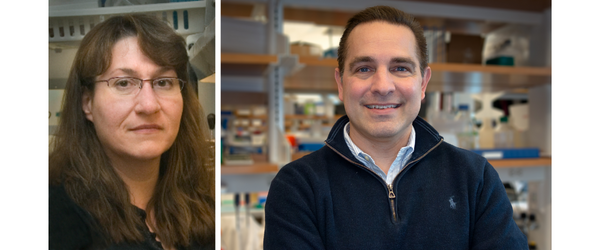 Sally Kent, PhD Michael Brehm, PhD
“My lab is providing islet-infiltrating T cell lines and clones from human donors with type 1 diabetes,” said Dr. Kent. “We will conduct experiments including human T lymphocyte autoreactivity testing, and provide these reagents for in vitro and in vivo testing of the CAR T cell variant reagents”.
The immune cells from her lab will be engrafted into the unique humanized mouse models for which the Brehm lab is well-known. “These animals allow us to observe the interaction of human cells and tissues in vivo after the gene manipulation was performed,” said Dr. Brehm. ”We’re looking for successful antigen-specific intervention inside our living biological immune models without putting people at risk.”
The four-year NIH grant will fund the project titled "Precise targeting of T1D-specific T cells using CAR and peptide-MHC chimeric antigen ligands" through March 2027.