

By DoM Communications | Date published: December 1, 2025
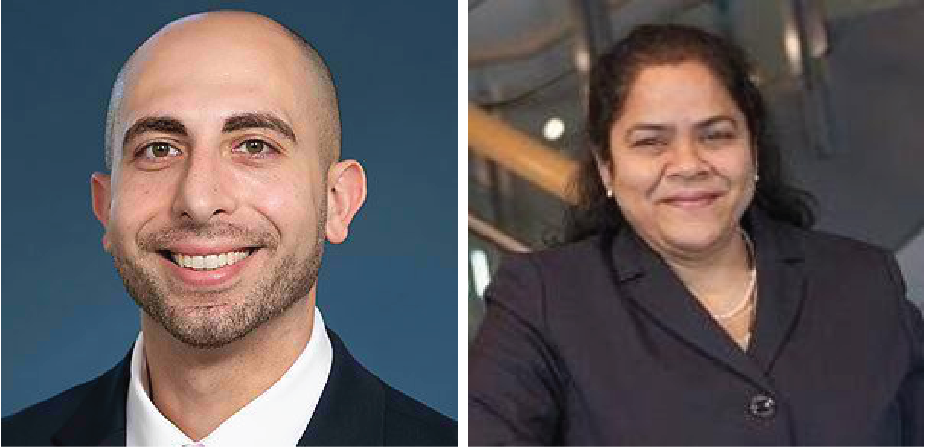 Jan Fouad and Pranoti Mandrekar Discuss Rising Cancer Rates and Roles of Alcohol, Environment, and Lifestyle in UMass Chan News Article
According to a new analysis published in The Lancet by the Institute for Health Metrics and Evaluation and Global Burden of Disease Cancer Collaborators, worldwide cancer cases are on the rise, having doubled from about 9 million in 1990 to 18.5 million in 2023. In a recent article in UMass Chan News, Jan Fouad, MD, assistant professor of medicine in the Division of Pulmonary, Allergy, and Critical Care Medicine, and Pranoti Mandrekar, PhD, professor of medicine in the Division of Gastroenterology, explain that although population growth and aging remain key contributors, lifestyle and environmental exposures are becoming more influential.
“Lung cancer remains the leading cause of cancer death, but the underlying risks are shifting,” said Dr. Fouad. “Notable emerging risk factors include pollution found in ambient air, especially PM 2.5 fine particles that can penetrate deep into the lungs and enter the bloodstream, secondhand smoke, and prior chest radiotherapy. There have also been some links made to things like high fasting plasma sugar levels.” Dr. Fouad encourages individuals to undergo lung cancer screenings, which can lead to early detection and allow for diagnosis.
According to Dr. Mandrekar, alcohol is a significant and often underestimated cancer risk factor. “Studies show alcohol ranks among the top preventable cancer causes,” said Dr. Mandrekar. “The 2020–2025 Dietary Guidelines for Americans suggest that even low amounts of alcohol, less than a single drink a day, increase cancer risk. Yet fewer than 50 percent of Americans are aware that alcohol is a cancer risk. Most people still associate it only with liver disease.” In addressing prevention, Dr. Mandrekar explains that increased awareness and policy change are required. “Increasing education about alcohol and cancer risk, along with stronger public-health policies, is key,” she said. “The U.S. Surgeon General’s recommendation for health warning labels linking alcohol consumption to cancer risk is an excellent example of how we can inform the public.”
Read the full story in UMass Chan News.