




Azlynn Prunier: Learning to Give Type 1 Diabetes the Attention It Requires
Date Posted: Monday, July 13, 2026
Azlynn Prunier was diagnosed with type 1 diabetes (T1D) as a preschooler in 2004. Blood sugar checks, insulin, food decisions and clinical appointments have always been part of her normal routine.
“It’s my life,” she said. “I don’t remember anything before it.”
For much of her life, however, Azlynn struggled to manage her blood sugar and weight. Her A1c remained above 10% for years, and although she knew what she was supposed to do, she admits there were long stretches when she was not giving diabetes the daily attention it requires.
“My biggest issue was blood sugar checks,” she said. “I would go easily months without ever checking my blood glucose.”
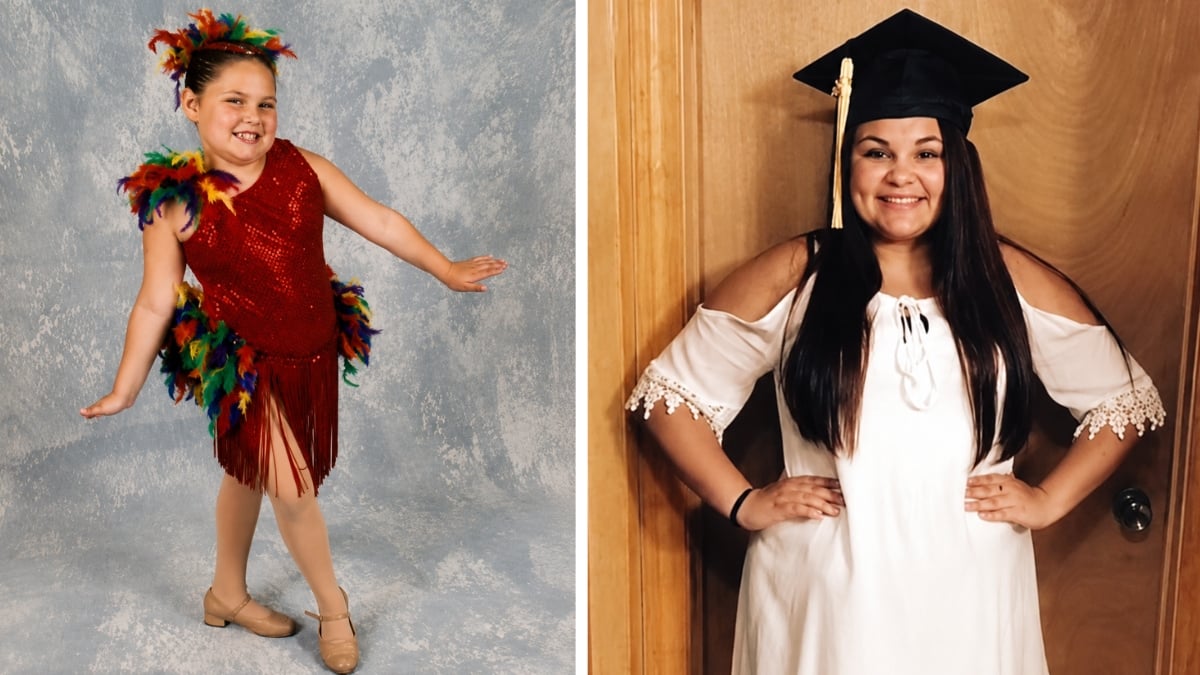
Azlynn was active throughout her youth, playing recreational soccer and basketball, dancing from age three through high school, and cheering all four years of high school. She does not remember diabetes keeping her from the activities she enjoyed.
Still, high blood sugars can be easy to ignore when you feel fine day to day. She came to understand that diabetes can increase the risk of long-term damage beneath the surface, over time affecting the eyes, kidneys, nerves, heart and blood vessels, years before symptoms appear.
The Power of Better Data
In sixth grade, Azlynn started using an insulin pump, which helped for a while. After high school, she did not check her blood glucose consistently or pay close attention to her diabetes care. She experienced a series of severe low blood sugars while sleeping, leading to four seizures in one month.
Azlynn chooses to manage her type 1 diabetes with multiple daily insulin injections rather than an insulin pump. Her recent success came from finding the right combination of real-time data, diabetes education, nutrition education and a care plan that fit her life.
She began using a continuous glucose monitor (CGM) and finally has real-time blood sugar information on her phone without relying on fingersticks throughout the day. Diabetes education helped her understand what to do with that data.
The Turning Point: Diabetes Education
Azlynn began working one-on-one with Cheryl Barry, RN, CDCES, a diabetes educator at UMass Memorial. Together, they reviewed her CGM data, looked closely at her insulin doses and worked through the newly observed patterns.
Azlynn credits those visits as the turning point in her diabetes care.
“Working with Cheryl changed everything,” Azlynn said. “I know I put in the effort, but Cheryl helped me understand the numbers and create a plan around my life, my preferences and my comfort level.”
Her A1c, which had been above 10% for many years, fell below 7% over the past year and Azlynn believes her new system is sustainable.
Nutrition Education Helped Her Get on Track
Azlynn also met with registered dietitian Laura Kusy, RDN, LDN, who helped her think differently about food after years of inconsistent eating habits, including often skipping meals until dinner. The nutrition education helped her make small, practical changes that fit her lifestyle, including better breakfast choices and lower-carbohydrate alternatives.
After gaining weight despite walking regularly and improving her blood sugars, those nutrition changes helped Azlynn begin losing weight.
A Personalized Care Plan
Azlynn’s care is led by endocrinologist Samir Malkani, MD, and nurse practitioner Susan Kim, NP. Cheryl reviews updates with Dr. Malkani, especially when insulin changes are being considered, and her care team works together to make the most appropriate decisions.
For Azlynn, success is a reminder that diabetes technology is not one-size-fits-all. For many people, an insulin pump can be life-changing. For Azlynn, a CGM made the difference. She still gives herself insulin injections, including in the middle of the night if needed, and she still must plan when leaving the house or traveling.
One of the most powerful parts of Azlynn’s story is that she achieved this improvement in a way that fits her comfort level. Getting her A1c below 7% through injections, CGM data, nutrition changes and diabetes education gives her a strong sense of pride.
Azlynn’s story shows that success with type 1 diabetes does not always follow one path. For her, it started with diabetes education and a care plan she can follow every day.