




Michael Horgan: Staying in Motion After 50 Years with Type 1 Diabetes
Date Posted: Wednesday, September 30, 2026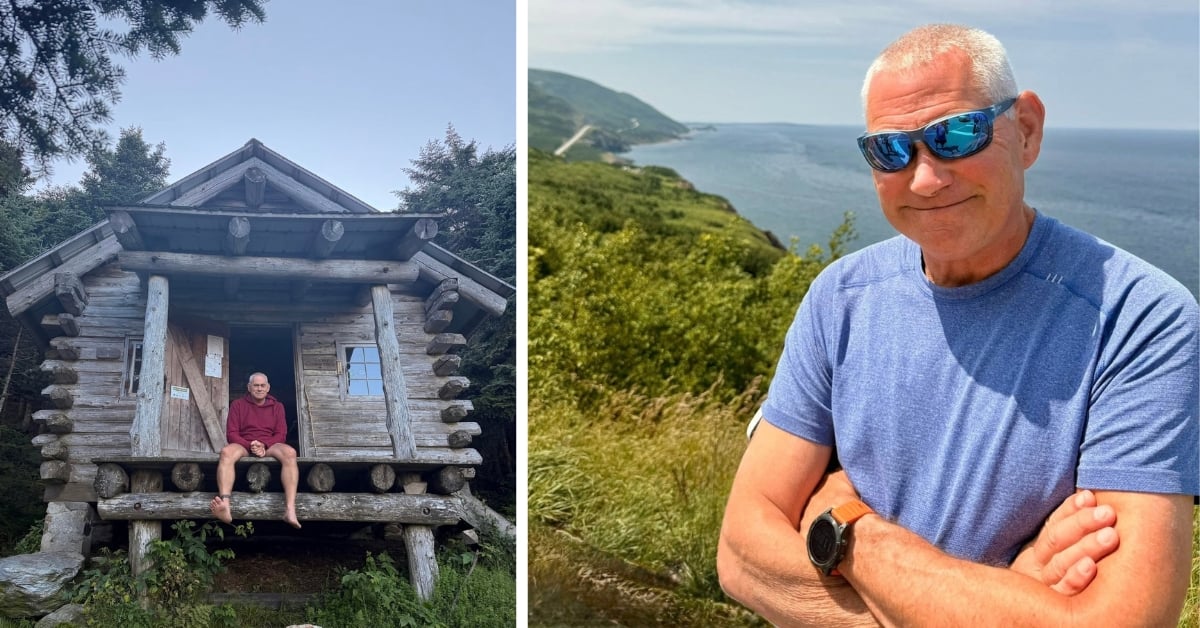
Diagnosed with T1D in 1976
Michael Horgan was diagnosed with type 1 diabetes (T1D) at age 12, at a time when testing blood sugars involved urine in glass test tubes. There were far fewer treatment options than are available today.
Five decades later, Michael remains active, adventurous and committed to managing his health. His most recent A1c was 6.3%. He uses a Dexcom continuous glucose monitor (CGM) paired with a tubeless Omnipod insulin pump.
Michael receives his diabetes care at UMass Memorial Medical Center, where his longtime endocrinologist, Dr. Thompson, helped him learn that managing T1D is not simply about achieving the lowest possible A1c, but balancing blood sugar control with the risk of dangerous lows.
A Prediction He Never Forgot
In his early 20s, Michael was doing fieldwork for the U.S. Geological Survey when a physician he was seeing at the time advised him to find a more predictable desk job.
Then came a discouraging comment Michael never forgot. He was told that he would be lucky to live until age 50.
As his 50th diaversary approached, that decades-old prediction helped inspire a goal.
“Not only did I surpass age 50, but here’s my 50 years with T1D,” he said. He wanted to mark the milestone by doing something that once seemed impossible.
Three Weeks on the Long Trail
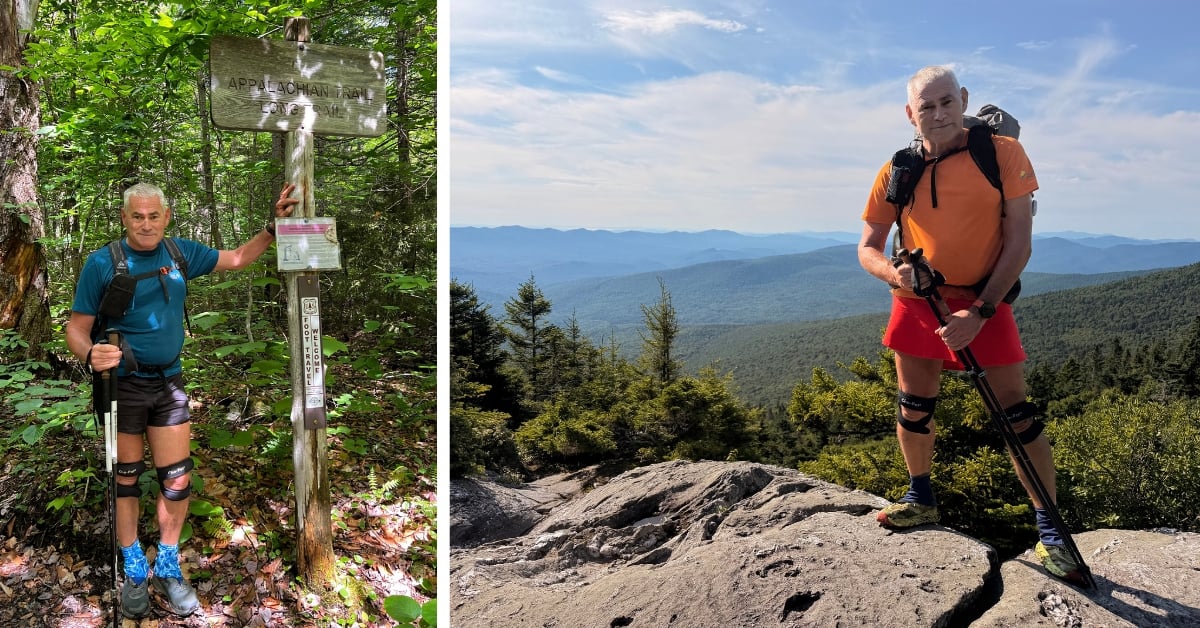
Shortly after retiring in May, Michael set out alone to hike Vermont’s Long Trail, a challenging 273-mile route extending from the Massachusetts border to Canada.
He had completed shorter backpacking trips before, usually with his wife, but this was his first long-distance solo hike.
During more than three weeks on the trail, Michael averaged 12 to 15 miles a day, sleeping in a tent or trail shelters and periodically stopping in towns to resupply. For stretches, he was deep in the backcountry with little or no cell service. At one point, he went two-and-a-half days without seeing another person.
After 159 miles, an increasingly painful knee forced him to leave the trail.
Diabetes did not stop him.
Michael plans to return next summer and complete the remaining miles.
Managing Type 1 Diabetes in the Backcountry
Hiking for weeks with T1D required more planning than food, shelter and navigation.
Michael carried extra insulin pump and fingerstick supplies, CGM sensors, fast-acting carbohydrates and emergency glucagon. A satellite messenger device allowed him to stay in contact with his wife and provided access to emergency services when there was no cell signal.
He also had to continually adjust his diabetes management to the terrain ahead. Before major climbs, he could raise his glucose target, use activity settings and adjust insulin while making sure he had enough food available.
Early on the hike, Michael followed insulin advice from another hiker with T1D who had completed that same trail, but he quickly discovered that what worked for someone else did not work for him. His blood sugar climbed, his energy dropped and he adjusted his strategy.
The experience reinforced something people living with diabetes know well, that there is no single approach that works for everyone.
Michael also experienced overnight low blood sugars after particularly active days. That created an unusual challenge because food had to be stored away from his sleeping area to protect it from bears. CGM alarms provided an important early warning.
Staying Active with T1D
Hiking is only one part of Michael’s active lifestyle.
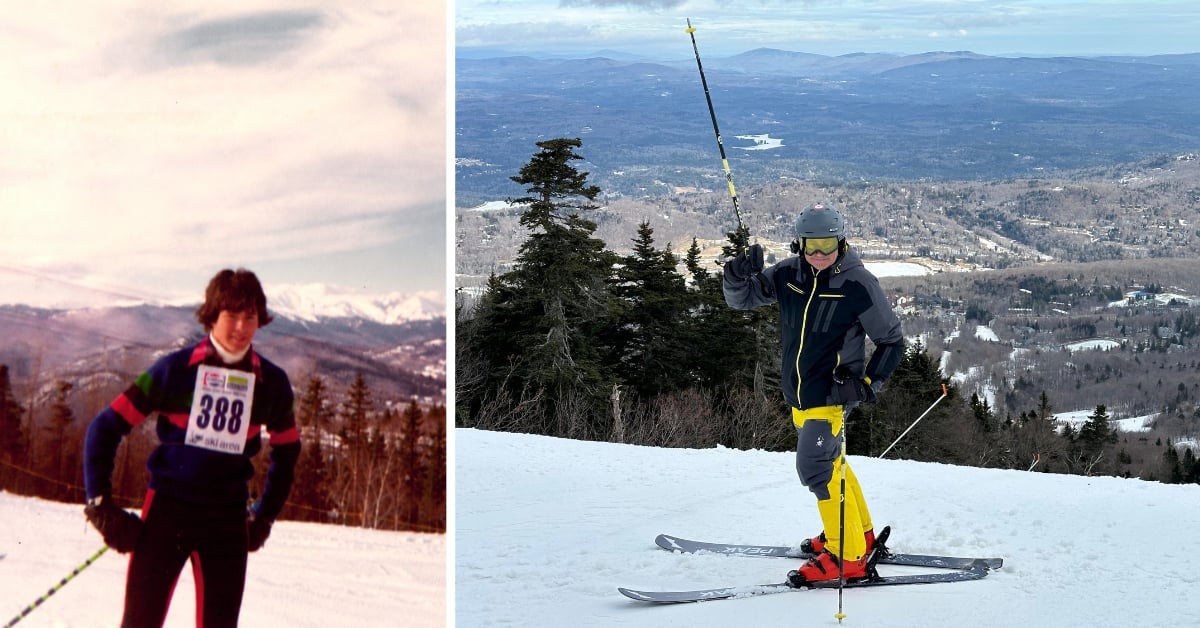
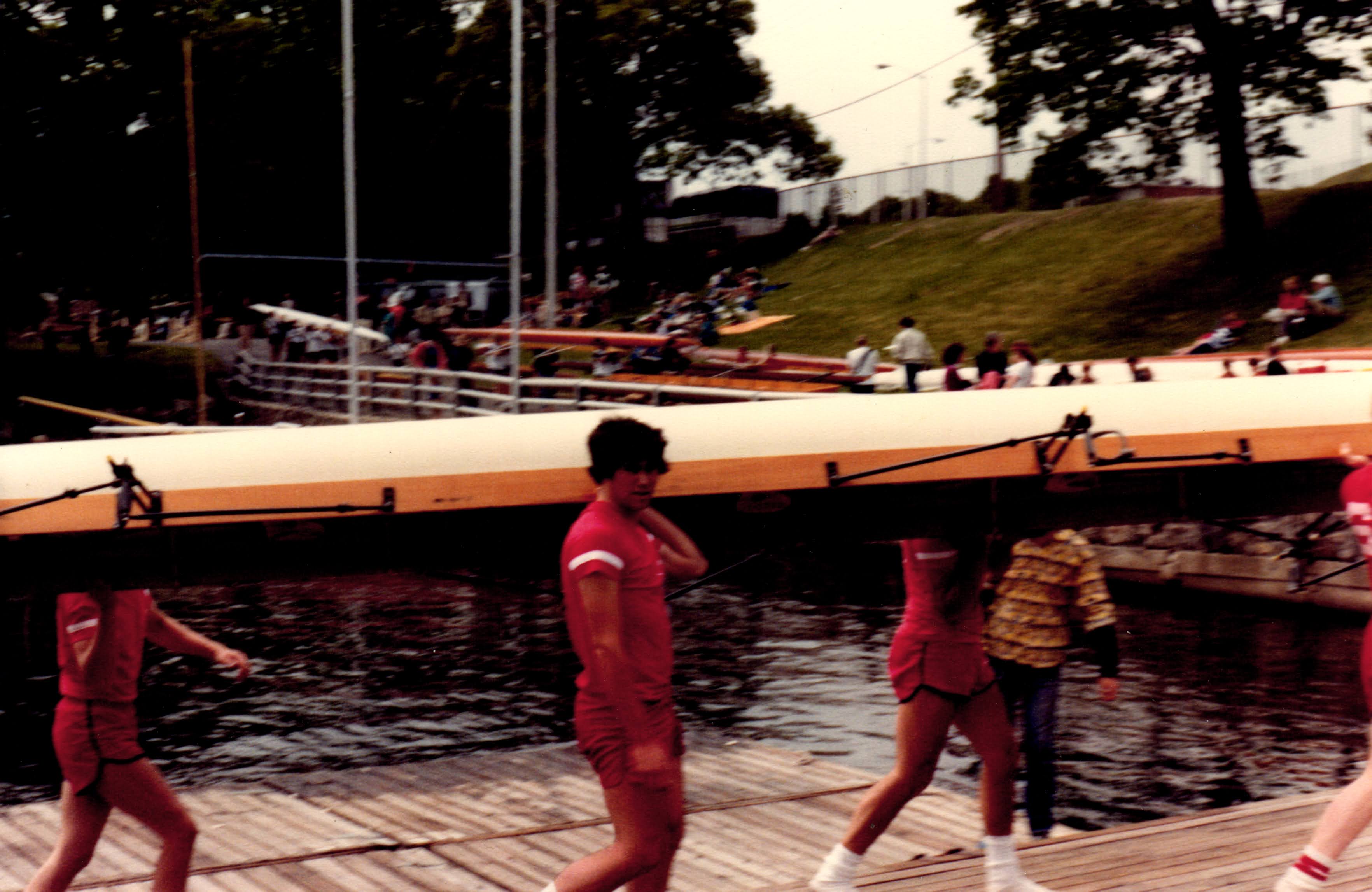
He has been an avid skier throughout his life and enjoys camping and exploring remote back roads with his wife. He typically exercises twice a day when his newly retired schedule allows. In high school, he rowed crew, often stuffing candy into his socks so he could quickly treat a low blood sugar while out on the water.
Michael usually takes a summer “pump holiday,” temporarily returning to multiple daily insulin injections while spending time at the beach and keeping those diabetes-management skills familiar.
Throughout 50 years with T1D, he has learned to adapt his diabetes management to his activities rather than allowing diabetes to dictate the activities he chooses.
His philosophy is simple.
“A body in motion stays in motion.”
His next goals are to finish the Long Trail next summer and joining other cyclists with T1D for a multi-day ride across Iowa.
For Michael, 50 years with type 1 diabetes is not a finish line. He intends to keep moving. Staying active is how he approaches aging, diabetes and life in general.