


Program Developed to Help At-Risk Type 2 Diabetes Patients Receive Necessary Care
Date Posted: Tuesday, February 18, 2020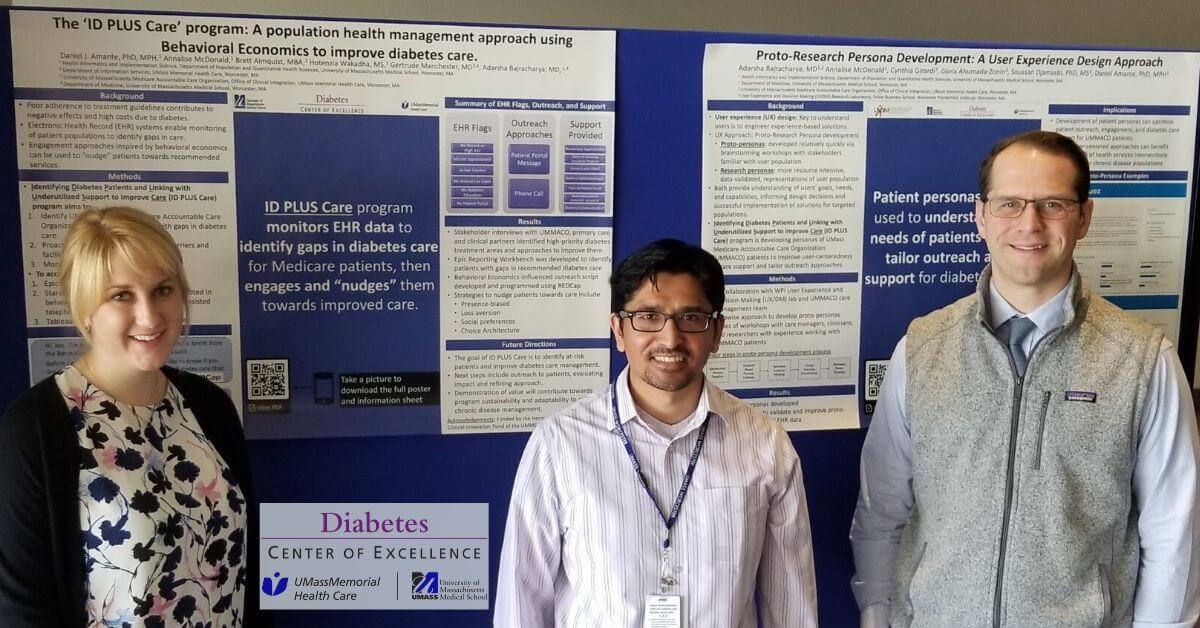
The key to a long and healthy life for people living with type 2 diabetes is maintaining blood glucose within a specified target range. Proper diabetes self-management results in healthy blood sugar levels, thus reducing the risk of developing serious complications from poorly-controlled diabetes. Regular blood glucose testing is extremely important. This includes using a meter or continuous glucose monitor throughout the day and quarterly A1c tests.
Many people receive their diabetes care from a primary care provider (PCP). Experiencing multiple chronic health problems and limited time with PCPs makes receiving comprehensive, guideline-recommended diabetes care a challenge. This new initiative is tracking UMass Memorial patients at risk for adverse outcomes due to care gaps. It proactively engages them to identify their difficulties and “nudge” them towards available services and resources to get them back on track.
The project is a collaboration between UMass Memorial Health Care and UMass Chan Medical School, led by Daniel Amante, PhD, MPH, and Adarsha Bajracharya, MD. A program was developed within the Electronic Health Record (EHR) system to identify people with type 2 diabetes who have not recently visited their PCP, have an A1c greater than 8%, are due for an annual eye, foot, or urine test, or have not had an A1c test within the past six months.
They are personally contacted by specially trained outreach specialists who learn about the challenges and frustrations that hinder people in managing their diabetes. The program has uncovered a wide range of obstacles that have kept people from receiving necessary care, including transportation issues and the cost of insulin and other medications.
The outreach specialists let people know that the UMass Memorial diabetes clinic offers education on topics such as getting started with healthy eating and physical activity, blood sugar monitoring, problem-solving, and reducing the risk of complications.
This approach has yielded positive results, with more patients now receiving their recommended tests and seeing their providers. Helping people manage diabetes can prevent or reduce the risk of complications, reduce costs, and improve their quality of life.
While the goal of this program is to improve diabetes care management for at-risk patients, the strategies can be applied to help with other chronic disease management in the future.