

Our Combined Heat and Power (CHP) plant produces electricity and thermal energy (steam) from a single fuel source. This highly efficient cogeneration process captures exhaust heat to produce usable thermal energy that drives supporting equipment.
The plant’s natural gas fired jet turbine spins a shaft attached to a generator to produce electricity, while the 910 degree exhaust gas from the engine flows into a heat recovery steam generator (HRSG) to produce some 60,000 pounds of high-pressure steam per hour.
That steam drives additional electric generators in the plant, powers compressors that make chilled water for the campus cooling systems and then flows through the campus steam pipe network to heat buildings.

The power plant officially breaks ground and construction begins.
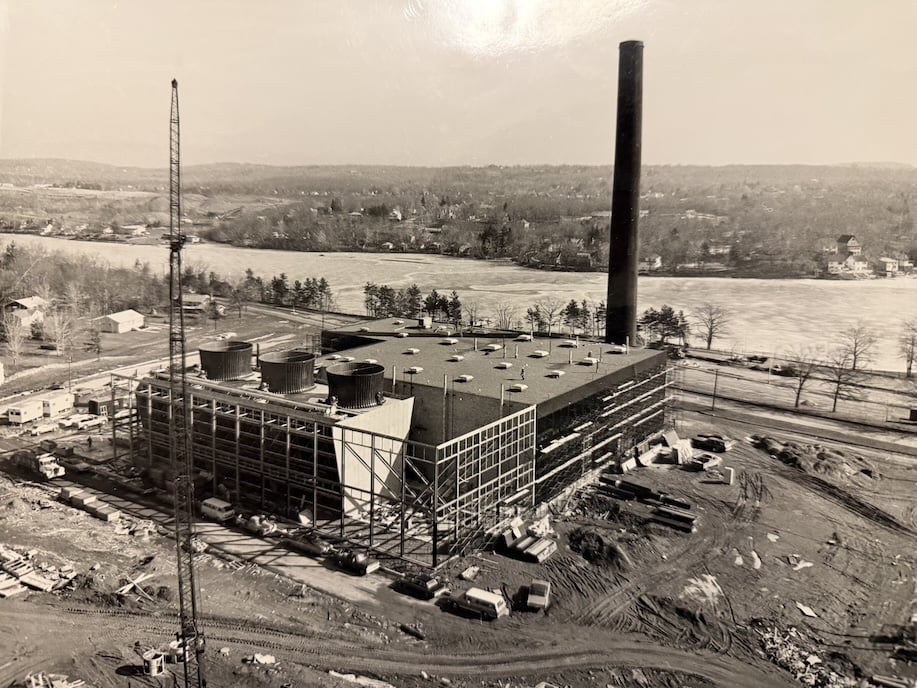
Work progresses with plant taking shape.
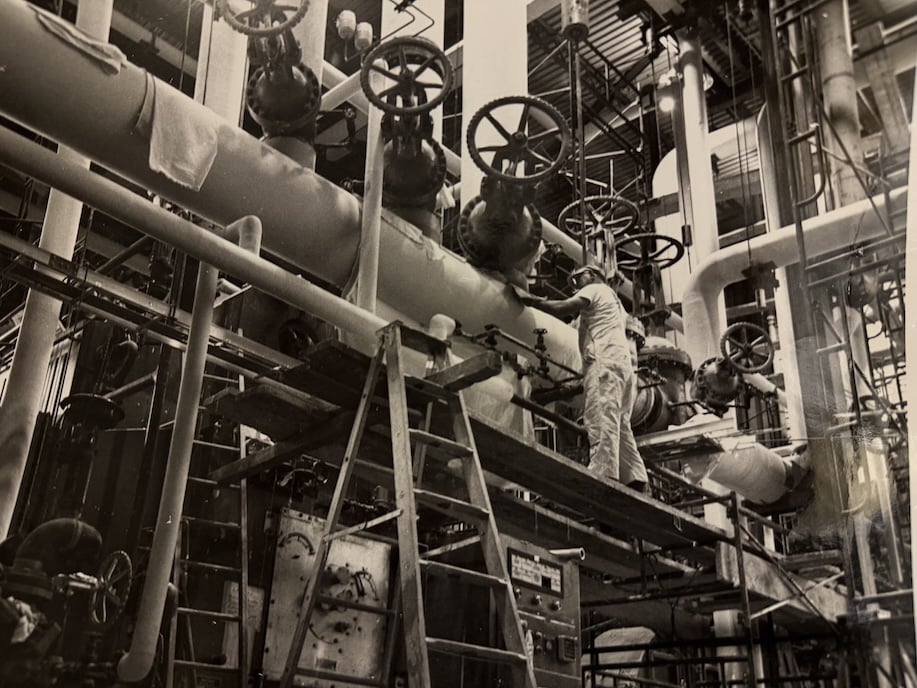
Plant fully operational to support the medical school and hospital.
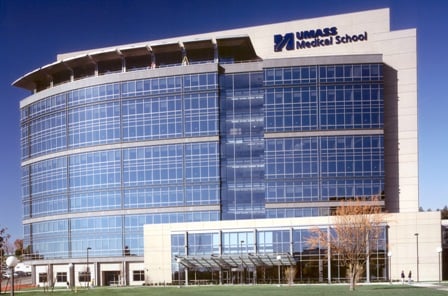
High-pressure boiler, 5,000-ton steam-driven York chiller, 5.0-MW backpressure steam turbine andcooling tower added to support the Lazare Research Building.
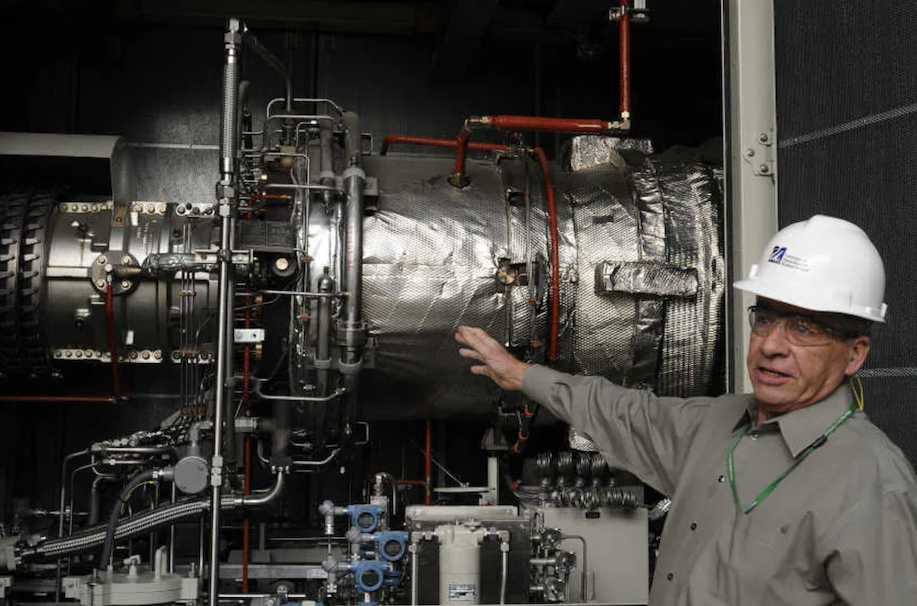
4,000-ton electric industrial York chiller; 7.5 megawatt gas-fired turbine; two cooling towers and 1,100 PSI heat-recovery steam generator.

The DiMare center is the first on campus with geothermal technology. Plant expansion includes a 4,000-ton electric industrial York chiller and an updated jet turbine.
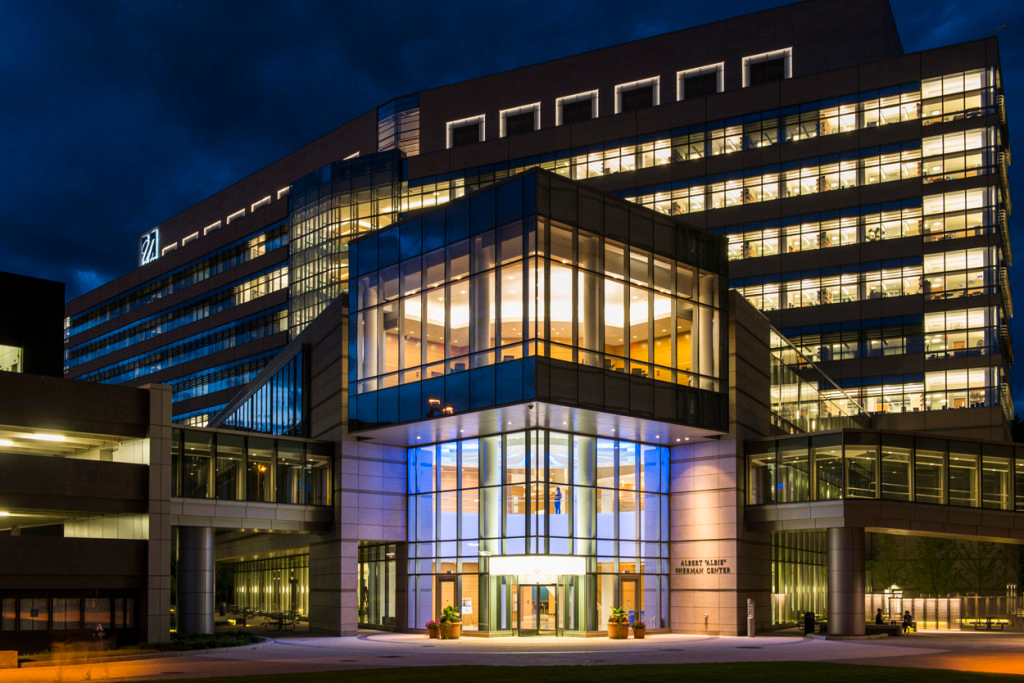
We are always evolving, with a decarbonization roadmap and sytem upgrades planned to improve efficiency while maintaining resiliency.
UMass Chan Medical School is pursuing an ambitious long-term decarbonization strategy focused on reducing greenhouse gas emissions while maintaining the uninterrupted energy reliability required for healthcare, research, and education operations.
The plan combines energy efficiency upgrades, electrification, renewable energy integration, geothermal and heat pump technologies, and modernization of the campus's combined heat and power system to reduce dependence on fossil fuels. Our approach emphasizes resiliency, operational continuity, and sustainability as it works toward the Commonwealth of Massachusetts’ goal of reducing emissions 95% by 2050.
“We need to achieve carbon neutrality while maintaining uninterrupted operational continuity for the medical center’s patient population and the Medical School’s ongoing education and research enterprise.”
David Flanagan
Deputy Executive Vice Chancellor of Facilities


Through the Commonwealth's clean energy programs administered by the Massachusetts Department of Energy Resources (DOER), high-efficiency CHP systems can generate valuable energy credits for reducing emissions and improving overall energy efficiency. UMass Chan's Combined Heat and Powerplant is currently enrolled in the program.
The campus CHP system stands as a model for resilient, lower-carbon energy production in higher education and healthcare that's always innovating.