

The Haran Group covers a broad range of topics from care of Emergency Department patients to microbiome-based investigations into the health of older adults.
Our current research focuses on three main areas:
-
Alzheimer’s Disease
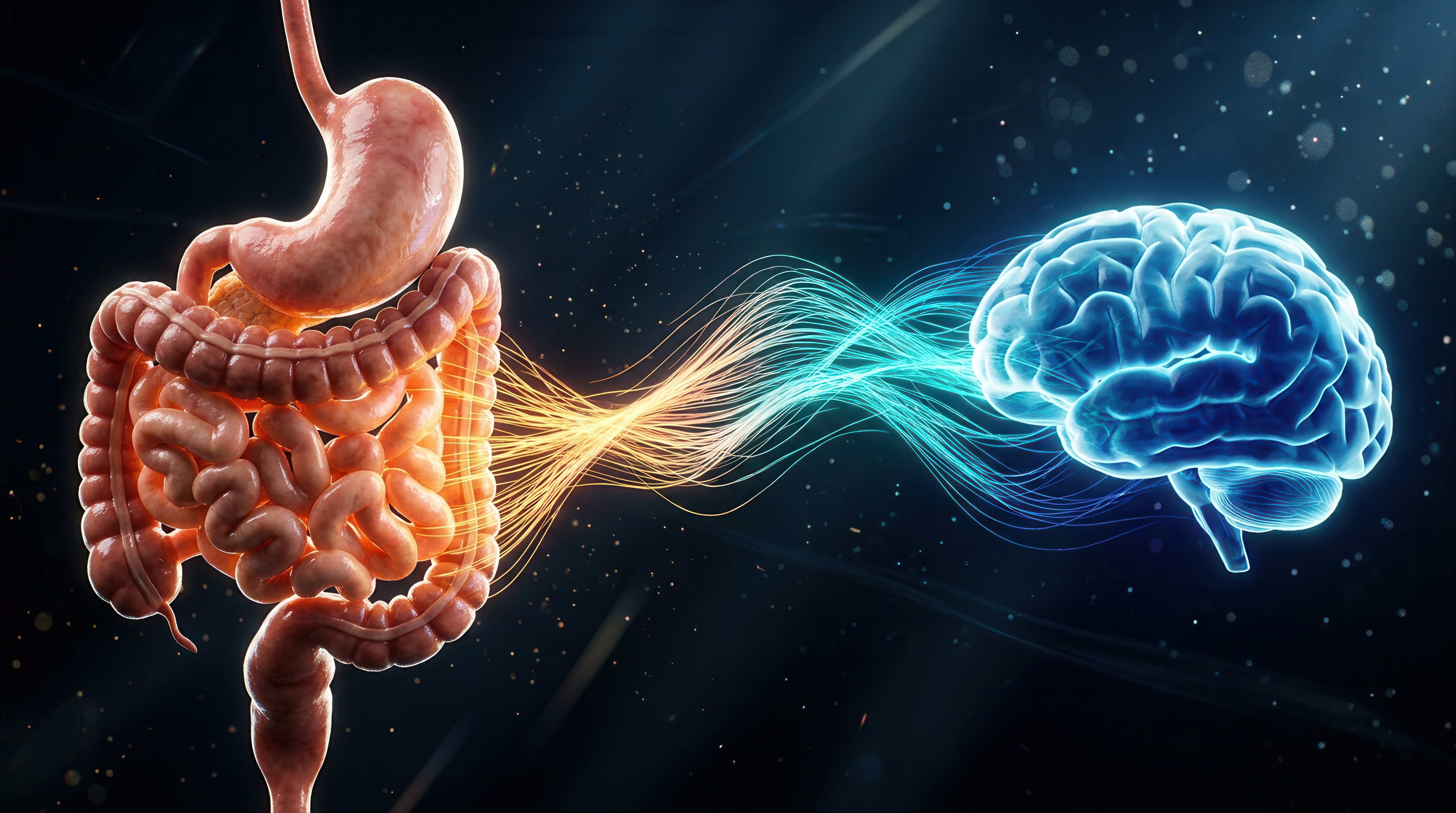
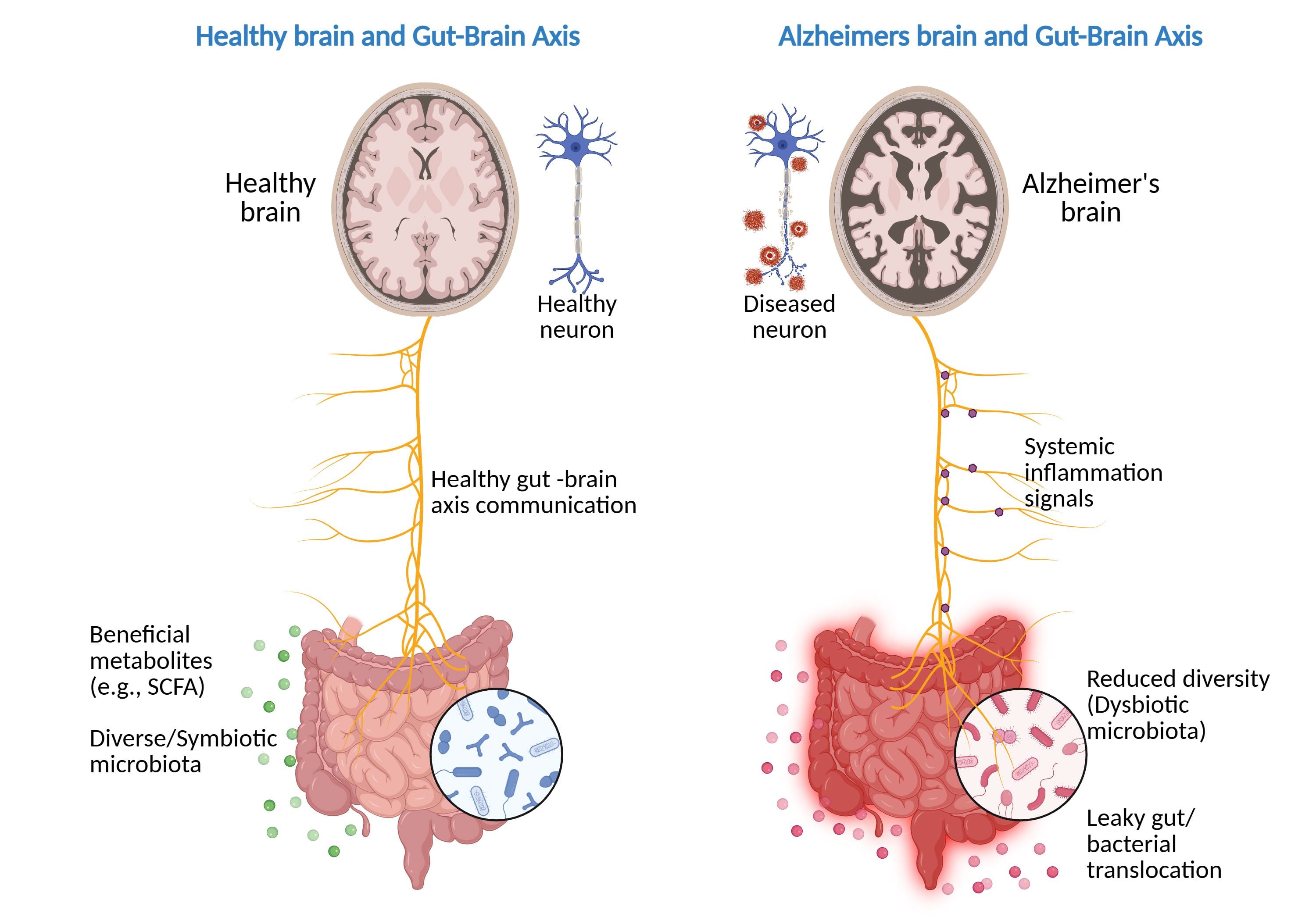
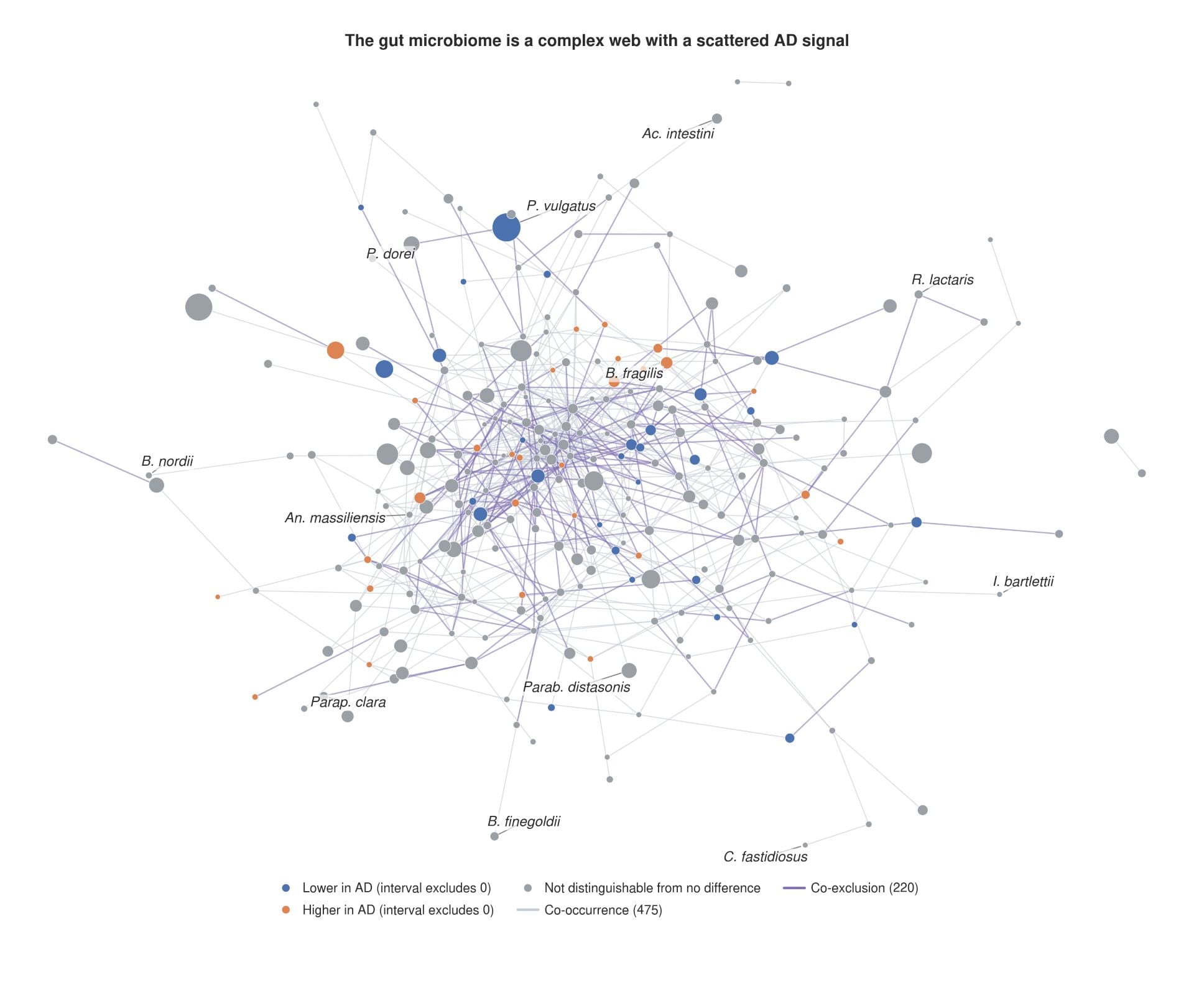
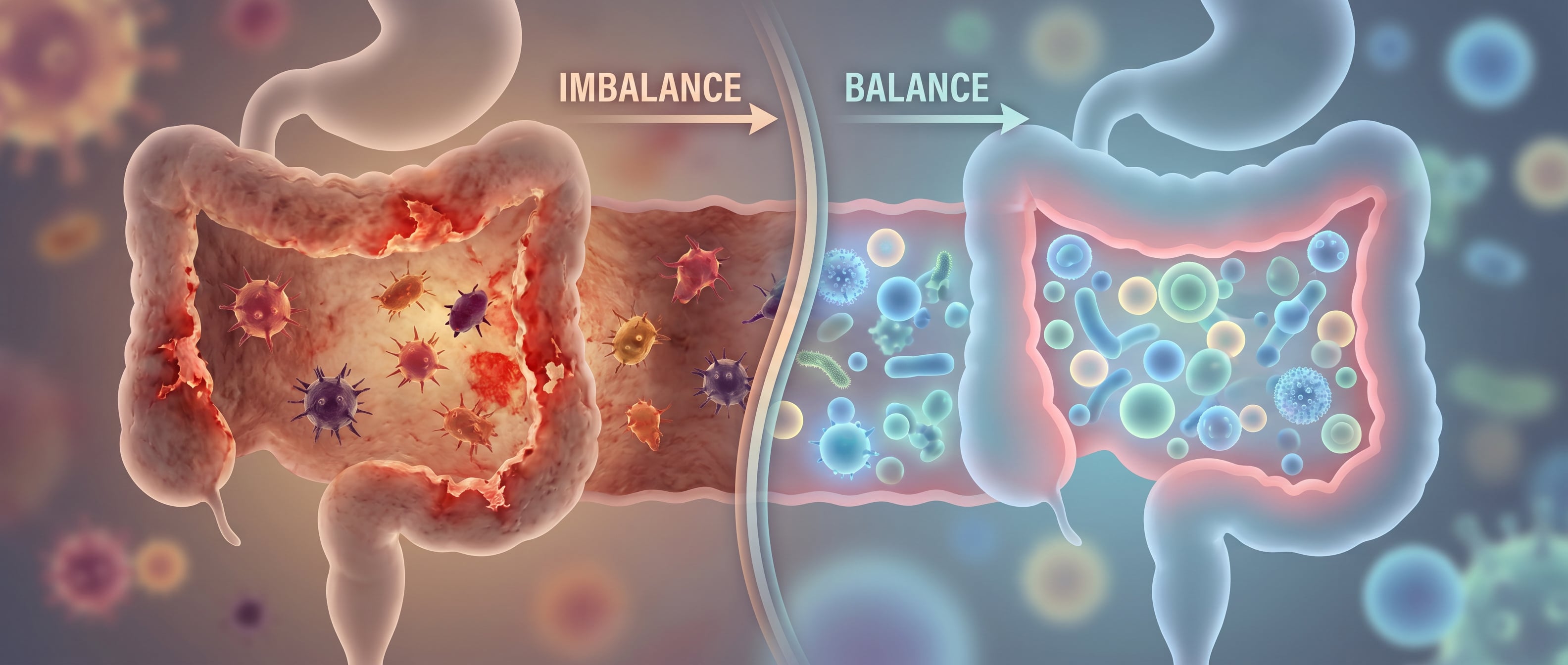
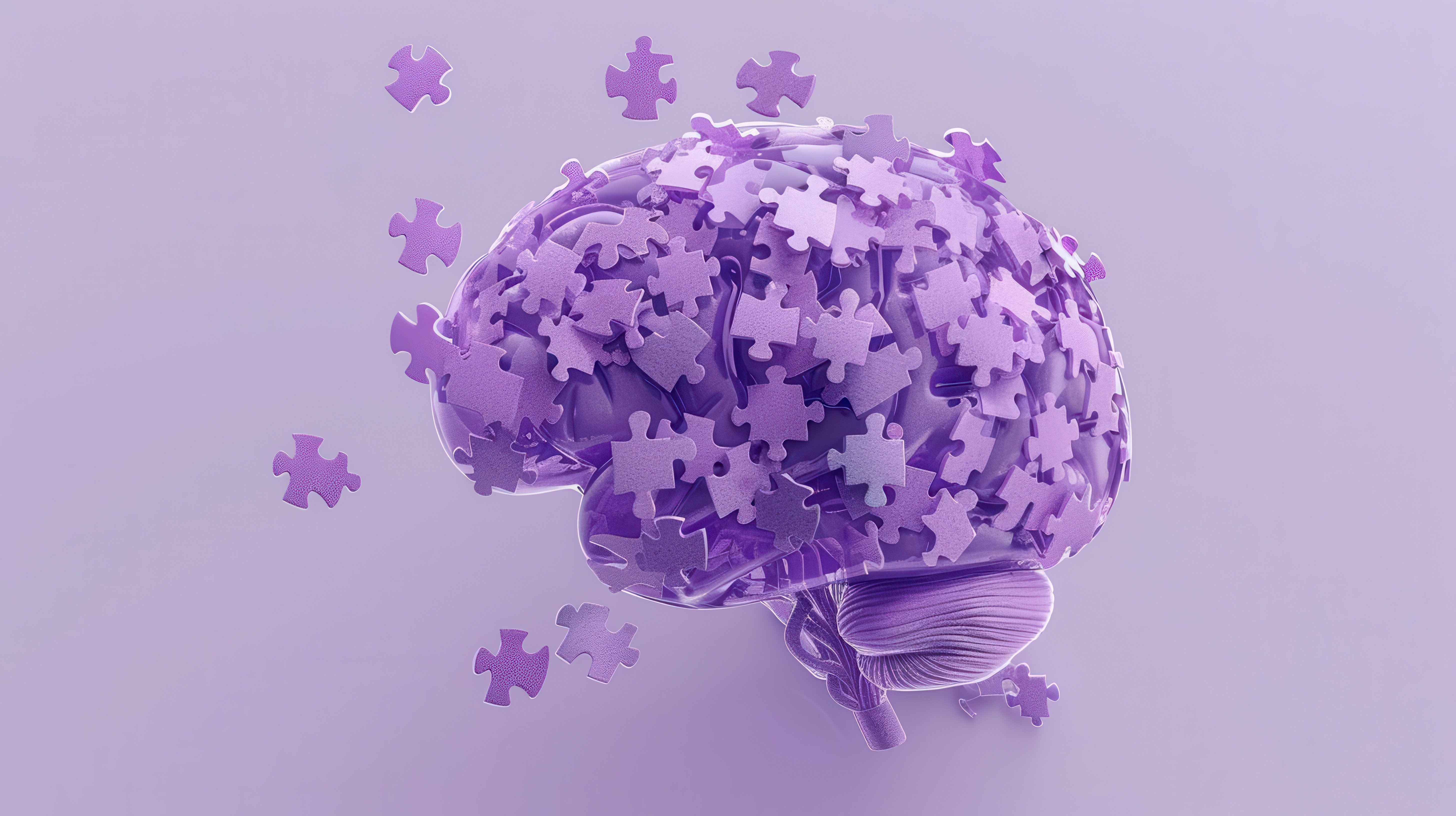
- Understanding the microbiome–gut–brain axis in Alzheimer’s disease and its role in cognitive decline. We have founded and been following the Gut-brain Alzheimer’s disease Inflammation and Neurocognitive Study (GAINS) cohort for the past 6 years, leading to new insights into how the gut microbiome may contribute to dementia risk, as well as protective mechanisms that may promote resilience against cognitive decline. Our goal is to better understand how gut microbial metabolites influence neuroinflammation and cognitive decline. These studies aim to inform the development of microbiome-based therapies with the potential to modify Alzheimer’s disease progression and provide novel therapeutic strategies for a field in critical need of effective treatments.
- Developing explainable artificial intelligence approaches for Alzheimer’s disease. We are developing a transparent, flexible, and explainable artificial intelligence (AI) framework that enables researchers and clinicians to classify disease stage, predict disease progression, and integrate and analyze diverse patient-level data. The framework incorporates large language models specifically adapted for Alzheimer’s disease research and is designed to be customizable and compatible with a broad range of computational tools. By bridging traditional biostatistical approaches with modern AI methods, this platform has the potential to advance personalized diagnosis, risk prediction, and discovery in Alzheimer’s disease.
Aging
- Understanding the biological mechanisms underlying frailty. Older adults living with frailty are at increased risk for illness, hospitalization, and mortality compared with their non-frail counterparts. We are investigating peripheral immune system dysfunction that emerges during the early stages of frailty to better understand the biological mechanisms contributing to frailty and its associated adverse outcomes.
- Improving emergency care for older adults with frailty and falls. We are working to improve the care of older adults in the Emergency Department, with a particular focus on patients with frailty and those presenting after a fall. We are part of the Geriatric Acute and Post-Acute Fall Prevention Intervention in patients with Cognitive Impairment (GAPcareCI), through which we are developing and evaluating an Emergency Department intervention designed to improve outcomes for older adults presenting after a fall.
- Preventing post-traumatic neuropsychiatric disorders. We investigate the risk of developing post-traumatic neuropsychiatric disorders among patients presenting after a traumatic event. Our work includes the development of novel approaches to prevent these disorders and studies examining how gut microbiome dysbiosis may contribute to the development of post-traumatic stress disorder.
Infections and Multidrug-Resistant Organisms
- Understanding the role of the gut microbiome in infection risk among older adults. We are investigating how the gut microbiome changes with aging and how microbiome dysbiosis may increase susceptibility to colonization and infection with multidrug-resistant organisms and Clostridioides difficile among nursing home residents.
- Surveillance and research on emerging infectious diseases. We are part of the EMERGEncy ID NET, a sentinel network for surveillance and research focused on emerging infectious diseases. Our projects encompass a range of viral and bacterial infections and examine their implications for the care and management of patients in the Emergency Department.