

Training
The goal of this training is to develop a local Learning Community to build capacity for early identification and services for young children at risk for neurodevelopmental disorders in Worcester. The Learning Community will use principles of Family Navigation to promote family-centered, culturally responsive identification, screening and referral to resources to support family well-being.
Training Course Structure: The Learning Community will last for a year and includes a 6-week on-line training course that meets for about an hour a week-and then shifts to monthly meetings for the rest of the year. The training incorporates synchronous and asynchronous learning. Live virtual sessions will be held to discuss cases and to promote the process of mutual learning.
Project A.N.C.H.O.R Introdcution
Project Team
-
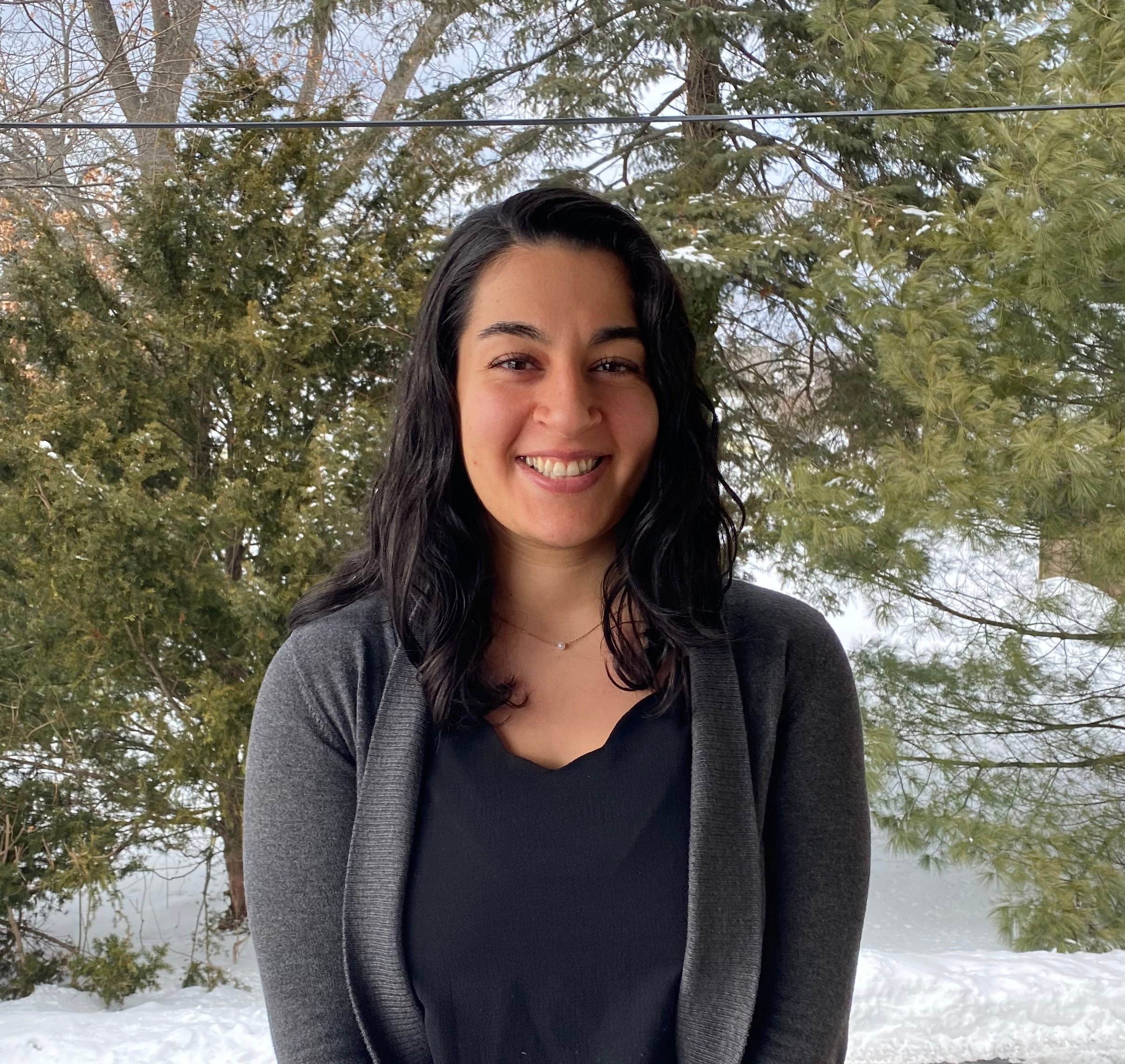
Valerie Tokatli
Project CoordinatorValerie Tokatli, BA is a Clinical Research Coordinator in the Developmental and Behavioral Pediatrics Department at UMass Chan Medical School. Valerie graduated from the University of Massachusetts Lowell, where she received a Bachelor's degree with a double major in psychology and criminal justice. She is the Project Coordinator for Project A.N.C.H.O.R
-
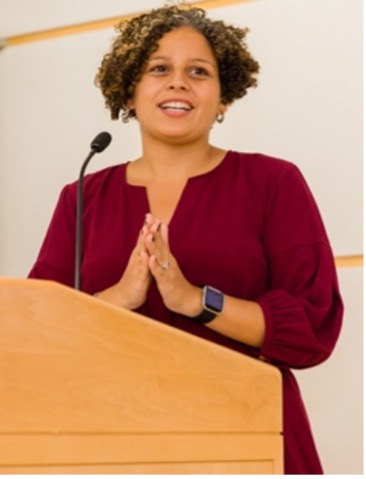
Yaminette Diaz-Linhart , LCSW, MPH
Program TrainerYaminette Diaz-Linhart, LCSW, MPH is a Public Health Social Worker and Scholar who has co-developed family navigation and community health worker programs to promote behavioral health for families. She is currently a PhD candidate researching the well-being of frontline health care and social service workers
-
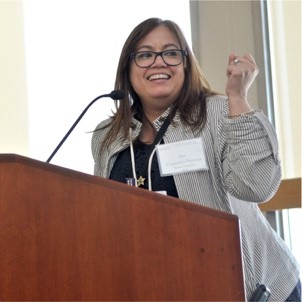
Ivys Fernandez-Pastrana , JD
Program TrainerIvys Fernandez-Pastrana, JD is a Program Manager at Boston Medical Center who assists families whose children have been diagnosed with autism by helping them “navigate systems” such as the health care and school systems and by connecting families to resources. Ivys has co-developed the family navigation model and supervises other family navigators in the Pediatrics department
-
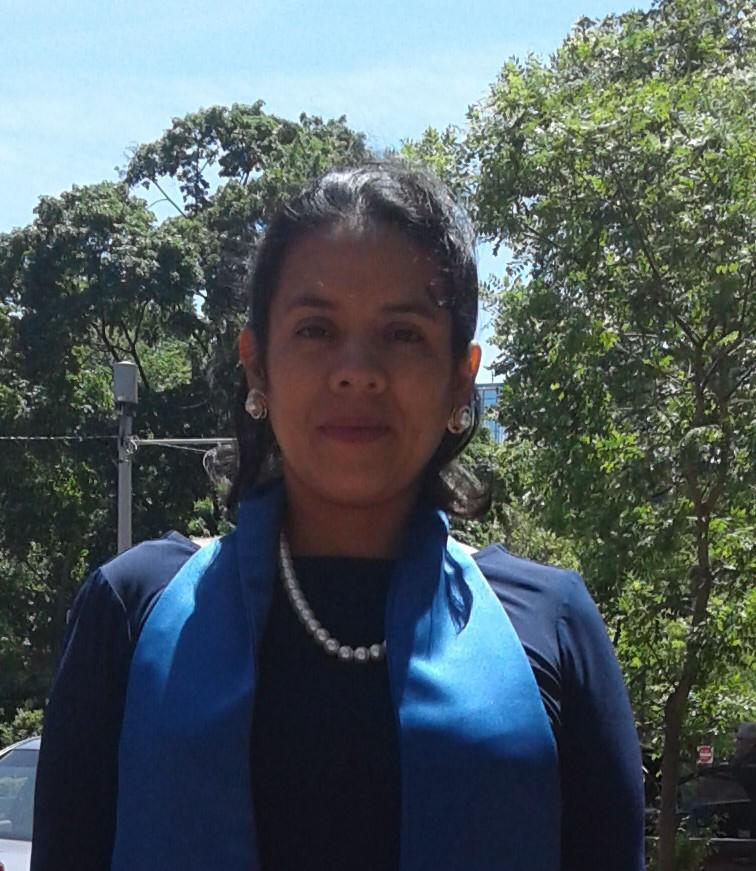
Ileana Gatica , MD, MPA
Program TrainerIleana Gatica, MD, MPA is a trained doctor graduated in Cuba who continues to pursue her passion of becoming a licensed doctor in the US. Ileana completed the Leadership Education in Neurodevelopmental Disabilities (LEND) fellowship program through the Eunice Kennedy Shriver Center UMASS and earned an MPA degree through Suffolk University. Ileana has extensive experience working with minority communities and is passionate about systemic change, she is the mother of a child with complex disabilities and various health needs, and she is committed to work towards improving health outcomes for people with developmental and intellectual disabilities and their families. Ileana serves as an advisory member of various committees.
-
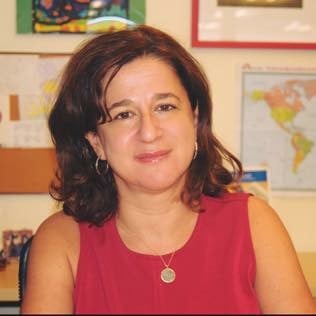
Roula Choueiri , MD
Principal Investigator/TrainerDr. Choueiri is Neurodevelopmental Disabilities Pediatrician and the Director of the Early Childhood Community Outreach Program at the Autism Spectrum Center at Boston Children's Hospital. Dr. Choueiri's focus of clinical work is the Early Identification and care of children with Autism Spectrum Disorder (ASD) both in academic and community settings. She has developed the Rapid Interactive screening Test in Autism in Toddlers (RITA-T) - https://www.childrenshospital.org/autismrita-t that is validated for ages 18 months-36 months and has developed its online training and workshops. She has been working with early childhood providers across MA, and the US, to study its integration in different clinical models to improve access and early diagnosis of ASD especially to those in underserved areas and from diverse cultural backgrounds. In addition, she is collaborating with researchers from other countries to further validate the RITA-T in other languages and cultures. Dr. Choueiri is involved in project A.N.C.HO.R (Autism. Network. Culture. Healthy Outcomes. Resilience) to develop a training tool kit for early childhood providers on principles of Family Navigation. She was a previous ambassador of Centers for Disease Control (CDC) Act Early Campaign to MA (2016-2018) and continues to be actively involved in the MA Act Early State Team as a member of its steering committee since 2013.
Project A.N.C.H.O.R is proud to be collaborating with participants from various practices and centers in Worcester including:
WIC, Children's Friend Early Learning Center, UMass Primary Care, South Bay Community Services, Edward M. Kennedy Community Health Center, Worcester Pediatrics-PC, Reliant Medical Group, and Pernet Family Health Service Inc.
Background:
Twenty-one percent of Worcester’s population lives under the federal poverty level, 34% speak another language than English, 21% are foreign born, and 6% are younger than 5 years. Only 57% identify as White, non-Hispanic and non-Latino. Languages spoken include Spanish, Portuguese, Vietnamese and Arabic.
Improving accessibility to neurodevelopmental screenings to underserved communities, and providing support to families is essential to help break the barriers to promote the well-being of children and families in the community.
Learn more about Family Navigation from the Boston Medical Center Center for Family Navigation and Community Health Promotion
"Why use a Family Navigator?
Family navigators are part of clinical care teams and their scope of work includes:
- Proving a link to community-based resources
- Coordinating care for the entire family
- Screening and appropriate referrals to mental health
- Managing population health of their care team’s panel, including vaccination rates, wellness visits, follow-up on treatment plans
- Identifying barriers to appropriate care and creating action plans with families to improve access to care and treatment
Family navigators are also trained to guide and motivate families during important periods of development for their children using Motivational Interviewing."-BMC Center for Family Navigation and Community Health Promotion