
Search Close Search
Search Close Search


Therapeutic Strategies

Conventional strategies to treat Friedreich's ataxia are designed to ease symptoms caused by cellular events that are downstream of the loss of frataxin function and have not shown clinical benefit. Researchers at the Li Weibo Institute for Rare Diseases Research seek to identify new, effective therapeutic targets that address the root cause of the disease – reduced FXN expression.  Restoring expression of the FXN gene, and consequently, restoring frataxin function, is a potential therapeutic approach for the disease. Researchers at the Institute are taking two approaches to restoring FXN expression, both of which involve studies in cell lines derived from patients.


Specifically, the lab of Dr. Watts is exploring the potential of oligonucleotides (short stretches of chemically modified DNA) to activate frataxin expression — and Drs. Green and Fang are collaborating to identify therapeutic small molecule inhibitors that can reactivate FXN expression — in cell lines derived from patients with Friedreich’s ataxia and in mouse models of the disease. Ultimately, these strategies aim to elevate frataxin levels, thereby lessening the consequences of frataxin deficiency and potentially alleviating disease symptoms.   

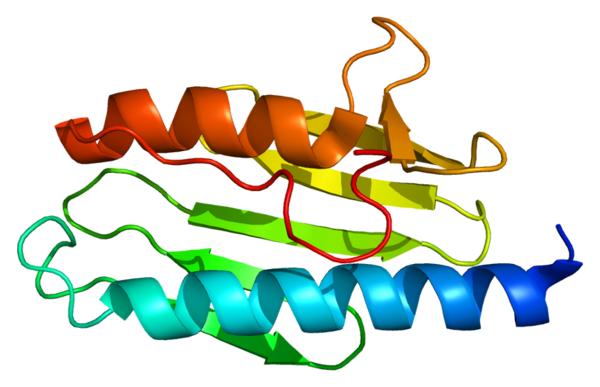
frataxin.png

Activation of frataxin protein expression by antisense oligonucleotides targeting the mutant expanded repeat

Authors: Li L, Shen X, Liu Z, Norrbom M, Prakash TP, O'Reilly D, Sharma VK, Damha MJ, Watts JK, Rigo F, and Corey DR


Published in 2018 in Nucleic Acid Therapeutics


This study explored FXNgene activation by antisense oligonucleotides (ASOs) and duplex RNAs (dsRNAs) in varied cell lines derived from patients with Friedreich’s ataxia. The results showed successful gene activation occurred using a chemically diverse collection of ASOs and dsRNAs,laying a broad foundation for future drug development.

download-publication-icon.jpg

Page Menu

Friedreich’s Ataxia Investigators at the Li Weibo Institute
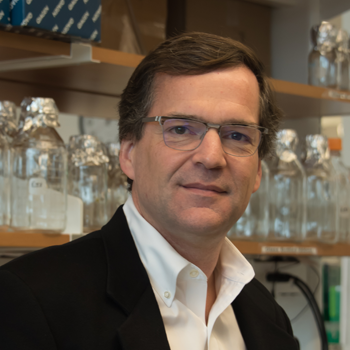
Erik Sontheimer, PhD

Erik Sontheimer, PhD

Professor, RNA Therapeutics Institute

Sontheimer Lab

Jonathan Watts, PhD

Professor, RNA Therapeutics Institute

Watts Lab

Scot Wolfe, PhD

Scot Wolfe, PhD

Professor of molecular, cell and cancer biology

Wolfe Lab

Wen Xue, PhD

Wen Xue, PhD

Professor of RNA therapeutics

Xue Lab

Clinical Trials

At the Li Weibo Institute for Rare Diseases Research, our researchers and clinicians are dedicated to finding new treatment options for patients. Our clinical trials program is another way we continue to advance treatments and make new discoveries. If you or someone you know may be interested in a clinical trial, please subscribe for updates and you will be notified when we open up a new trial.