New Method to Aims Map the m3C Epitranscriptome in Cancer
Xin Yang, PhD, an Instructor in the lab of Richard Gregory, PhD, has received an R03 grant from the National Cancer Institute to develop a new method for mapping the RNA modification 3-methylcytidine (m3C) across the mRNA transcriptome.
The study aims to address an unresolved question in the epitranscriptomics field: does mRNA contain m3C modifications? Although m3C is a well-established modification of tRNA, evidence for its presence in mRNA has been conflicting. Mass spectrometry studies have suggested that m3C may occur in mRNA, but other approaches — including HAC-seq, a method developed by the Gregory Lab to profile the m3C methylome at single-nucleotide resolution — have not detected m3C in mRNA. One possible explanation for these conflicting findings is that although current transcriptome-wide methods for detecting m3C are effective for tRNA modifications, they may lack the sensitivity needed to detect rare or low abundance m3C sites in mRNA.
To address this challenge, Dr. Yang seeks to develop a novel, highly sensitive method for detecting and quantifying m3C modifications in mRNA at single-nucleotide resolution by combining chemical labeling and enrichment strategies with high-throughput sequencing and bioinformatic analyses. He will then apply the method to various cancer cell lines and primary tumor samples to generate transcriptome-wide maps of m3C modification.
Beyond resolving the uncertainty about the presence of m3C in mRNA, the study could reveal whether this modification is altered in cancer and provide new insight into m3C epitranscriptomic changes that drive tumor development.
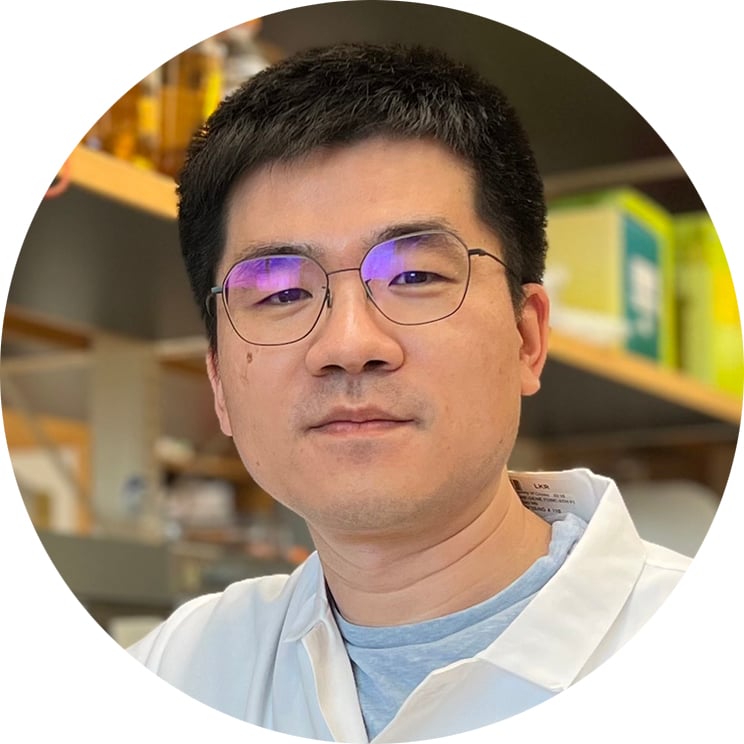
 What excites me most about this project is the opportunity to build a more sensitive way to ask a question that has been difficult to resolve: whether m3C exists in mRNA and, if so, where it occurs. If we can map these modifications reliably in cancer models and tumor samples, we may be able to learn whether m3C is part of the RNA-level regulation that changes during cancer development.
—Xin Yang, PhD