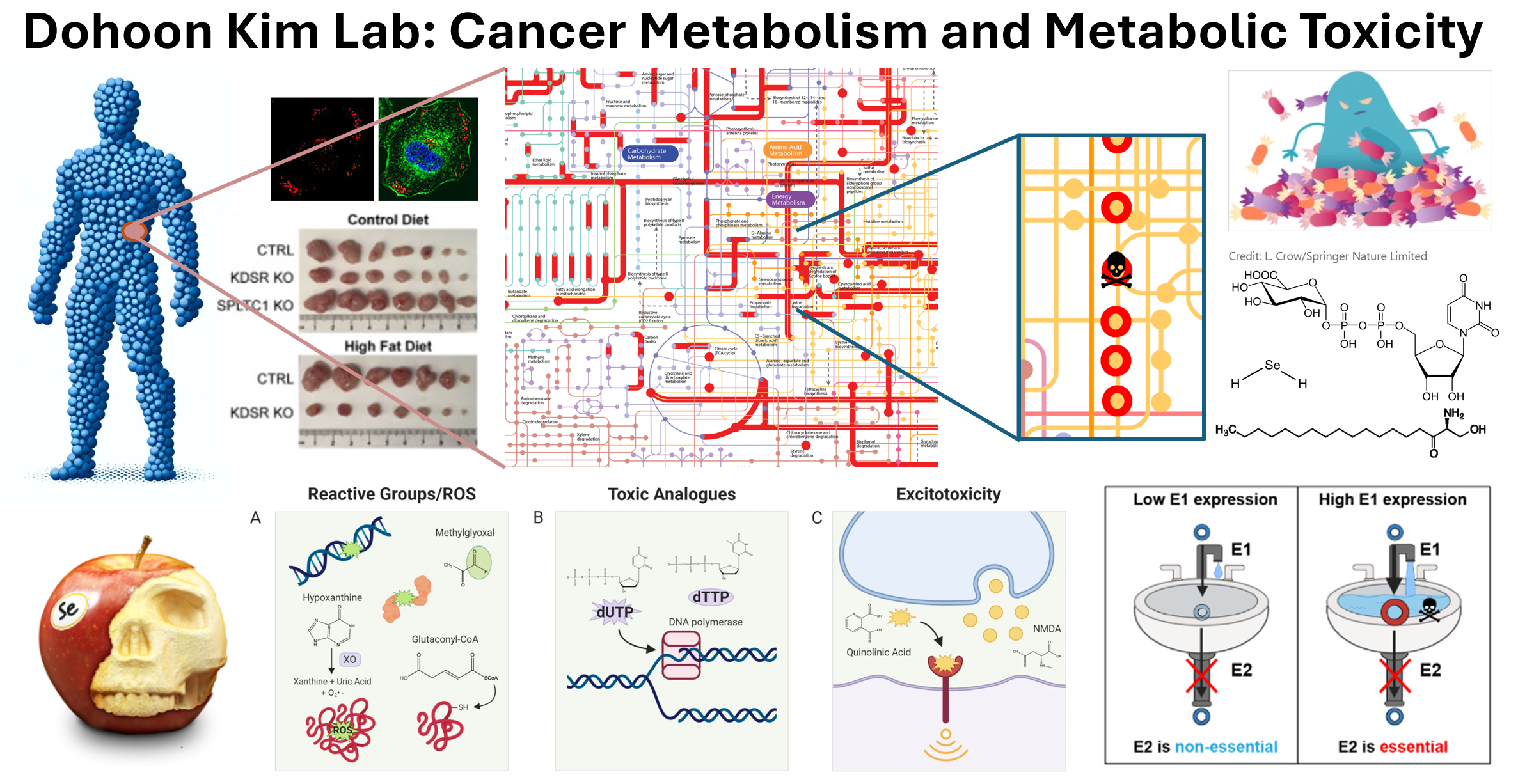
Cancer metabolism refers to the collective processes by which cancer cells create, break down, or interconvert ‘metabolites’ to form cellular building blocks and fuel biological processes such as acetylation, methylation and redox control. These processes occur across a vast network of enzyme catalyzed chemical conversions referred to as the ‘metabolic network’.
We found a flip side to all of this: scattered along these metabolic pathways lie toxic metabolites: natural biohazards and waste products that must be efficiently processed to avoid catastrophic accumulation in cells. We have pioneered creative ways to make cancer cells accumulate these as therapeutic strategies against glioblastoma, breast, colorectal, and lung cancer. Finding toxic metabolites and understanding why they are toxic allows us to not only better treat cancer, but also brings a completely new perspective into understanding how disruptions in metabolism can impact a wide variety of conditions including immunology, aging and neurodegeneration. Furthermore, we are beginning to realize that the toxicity mechanism for these metabolites are due to their specific interaction with biological processes (e.g. enzymes and transporters), indicating that many metabolites may have yet undiscovered regulatory roles in various cellular processes.