
Photo: Bryan Goodchild
A UMass Chan Medical School research team has received authorization from the U.S. Food and Drug Administration (FDA) to proceed with a Phase I/II clinical trial of a second-generation AAV gene therapy for GM2 gangliosidosis, a group of rare inherited neurodegenerative disorders that includes Tay-Sachs disease and Sandhoff disease.
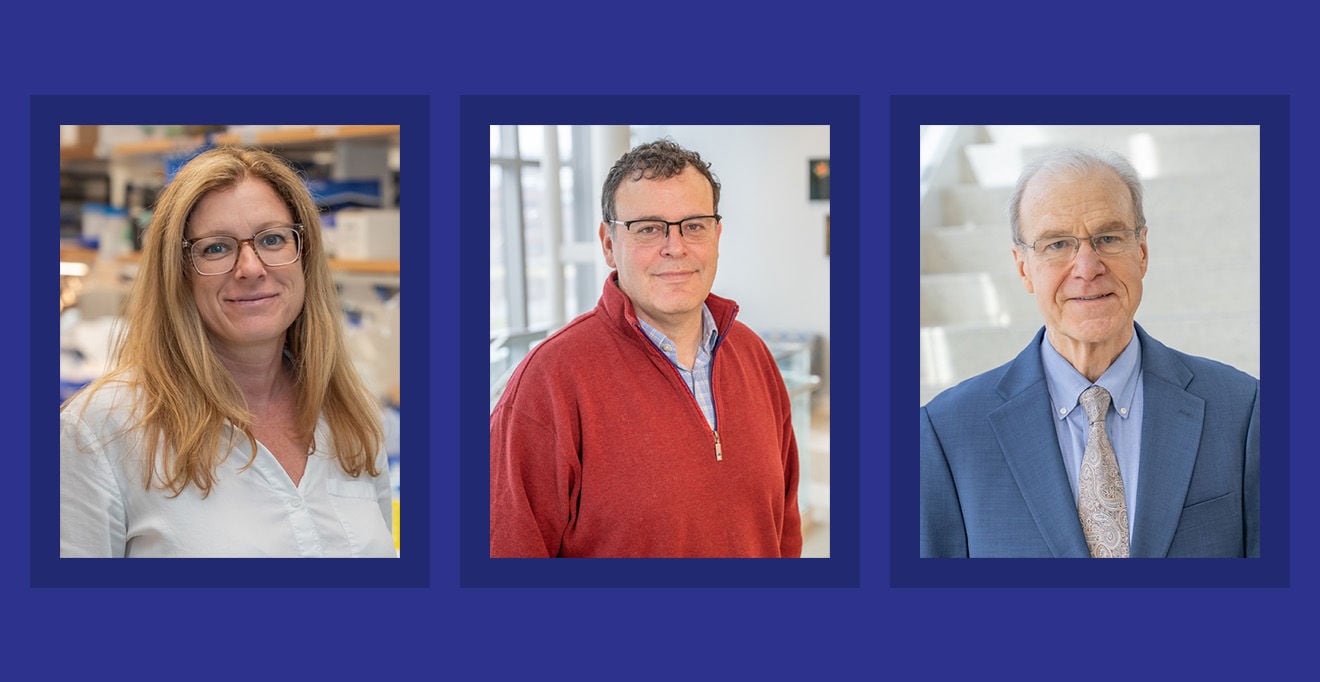
The clinical trial, led by Heather Gray-Edwards, DVM, PhD, associate professor of genetic & cellular medicine, and Miguel Sena-Esteves, PhD, associate professor of genetic & cellular medicine, builds on more than a decade of research at UMass Chan to develop gene therapy approaches for GM2 gangliosidosis. Previous clinical research by the team has demonstrated encouraging findings and supports continued development of this next-generation therapy.
“This FDA authorization represents an important milestone in our efforts to bring a potentially transformative treatment approach closer to children and families affected by Tay-Sachs and Sandhoff diseases,” said Dr. Gray-Edwards. “This progress reflects the commitment of researchers, clinicians, patient advocates, foundations and families who have supported this work over many years. We are grateful for their partnership and look forward to advancing this next phase of the research.”
GM2 gangliosidosis disorders are caused by genetic mutations that impair the body’s ability to break down certain fatty substances, leading to progressive damage to the brain and nervous system. The disease typically manifests in infancy. During the first few months of life, children with the disease exhibit slow growth, developmental regression, poor muscle tone, seizures and a loss of motor function. Universally fatal, most children survive only a few years with the disease, but various other forms of the disease can occur in childhood, adolescence or even adulthood. There are no treatments for GM2 gangliosidosis.
Dr. Sena-Esteves said the second-generation investigational therapy incorporates improvements designed to enhance delivery of the gene therapy to affected cells, with the goal of achieving therapeutic benefits at lower doses than earlier approaches. The Phase I/II clinical trial will evaluate the safety and potential efficacy of the investigational therapy.
“Our goal has always been to develop a gene therapy approach that can safely and effectively address the root cause of these devastating diseases,” said Sena-Esteves. “Reaching this milestone required years of discovery, collaboration and persistence. We are excited to continue this work and take the next step toward evaluating this investigational therapy in a clinical trial.
“Gene therapy holds tremendous promise for treating rare genetic disorders that historically have had limited or no therapeutic options,” said Terence R. Flotte, MD, the Elisabeth Chair for the Dean of Medicine, executive deputy chancellor, provost and dean of the T.H. Chan School of Medicine. “Our team is devoted to development of gene therapies for diseases that are too rare to be of much commercial interest. By doing so, they are enabling these infants and children to gain access to the best gene therapy technology available.”