Photo: Colleen Locke
Most first-year students in the T.H. Chan School of Medicine at UMass Chan Medical School volunteer with the Worcester Free Care Collaborative, which this year provided free medical services to more than 6,500 uninsured and underinsured patients in the greater Worcester area. That’s up 18 percent from 2024.
The Worcester Free Care Collaborative Student Organization is helping to meet that need; for 2026 it has increased the number of student leadership positions at the seven clinic locations from 81 to 92 to meet the increased demand for services. Sixty percent of patients served this year were uninsured; 70 percent live in economically disadvantaged neighborhoods.
For more than 30 years, volunteering with the WFCC has been a key part of the Medical School experience, giving first-year students at UMass Chan the opportunity to provide physicals, vaccines, lab testing, acute care, regular checkups and many other clinical services under the supervision of volunteer physicians and nurse practitioners.
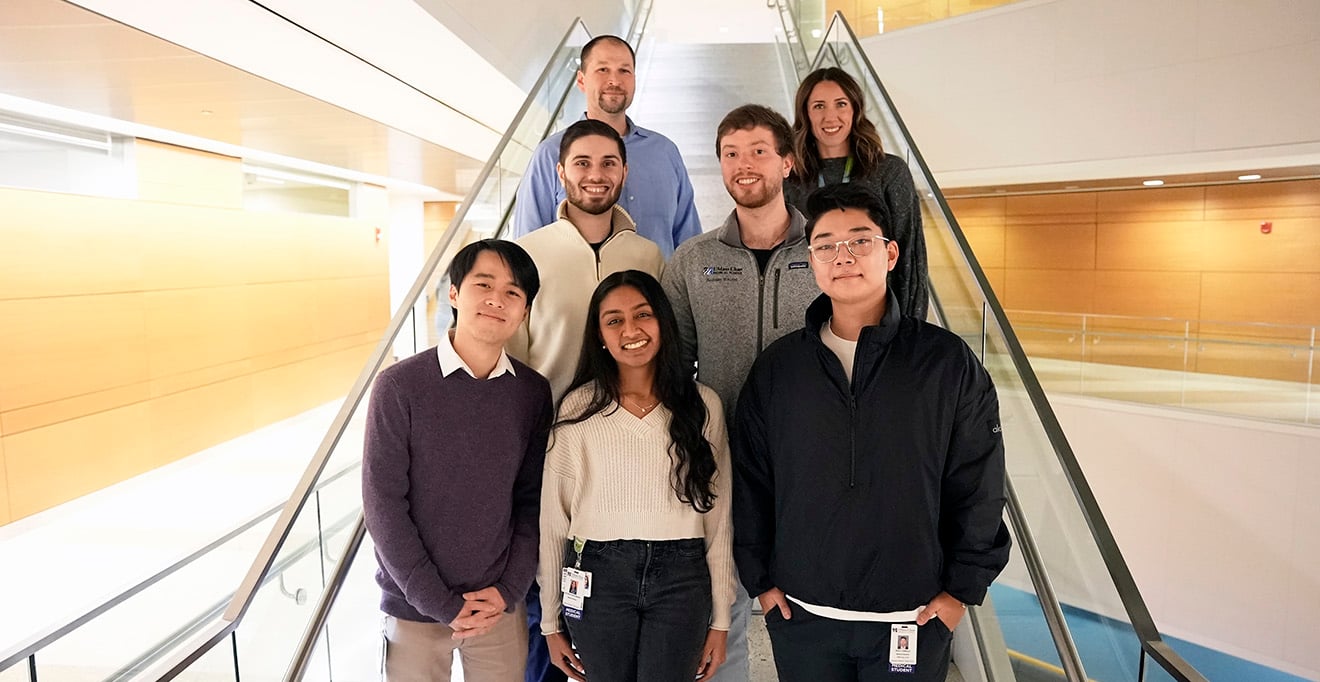
“The Worcester Free Care Collaborative’s goal of providing accessible care to patients no matter their background strongly resonates with my own experiences both as a student and in my own immigrant family,” said Brennan Chuang, a first-year student in the LEAD@Lahey track and one of three newly named co-presidents of the Worcester Free Care Collaborative Student Organization. “I strongly believe no patient should ever have to feel hesitant to seek care, and organizations like this support the incredibly important role of providing accessible care to those in need. Health care is more than just helping patients survive; it is giving them back the lives they deserve.”
Fellow first-year medical students Apurva Vaddamani and Ibrahim Khan are also serving as new co-presidents of the student organization, after second-year students passed the leadership roles to the next class.
Vaddamani spent time as an undergrad at the University of Michigan working with an organization that provided specific reproductive health-oriented services to local communities and she chose UMass Chan to become involved with the Worcester Free Care Collaborative.
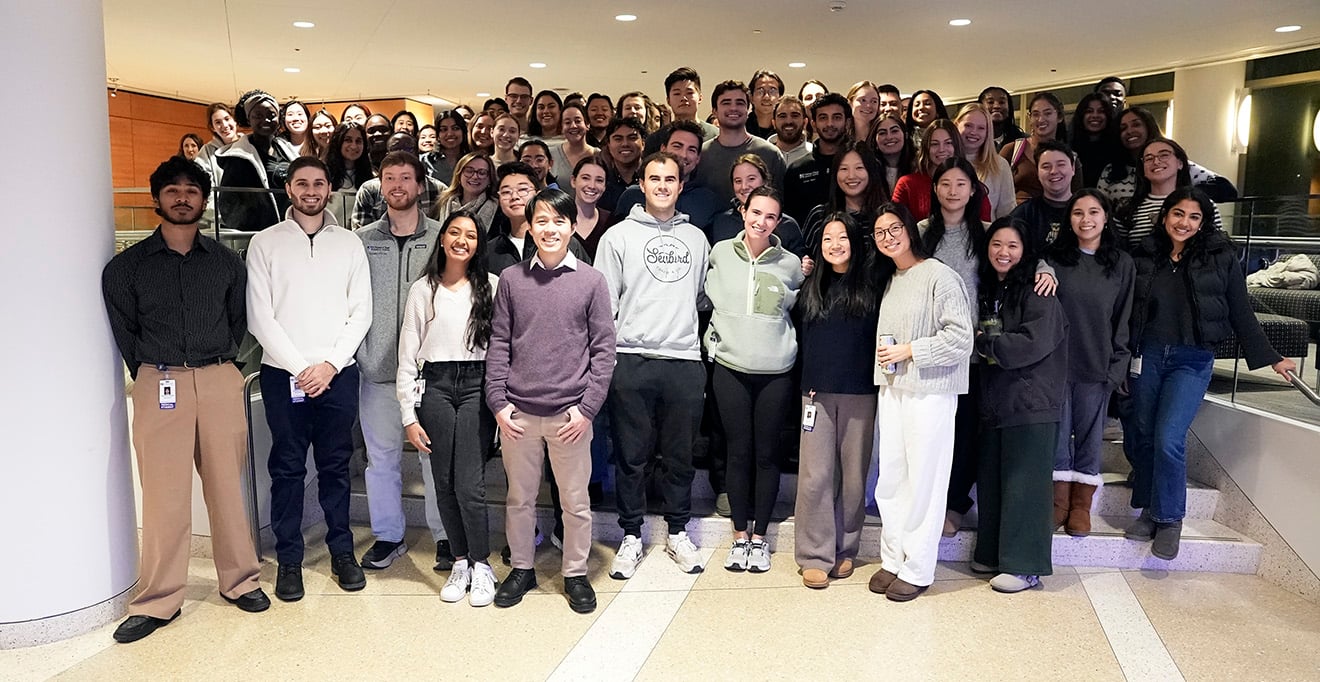
Photo: Colleen Locke
“I loved the emphasis on caring for our local communities and being intentional about expanding access to health care,” said Vaddamani, who is in the LEAD@Lahey track. “I think the work that WFCC does is essential in keeping communities healthy and caring for those who need it most.”
Khan said his time scribing and volunteering in underserved areas of Los Angeles showed him how easily screenings and preventive counseling can be overlooked.
“I’ve seen firsthand how much good free clinics can do, both by expanding access for patients and by giving students the chance to learn through service,” Khan said. “I’m excited to support that impact by helping volunteers, improving clinic flow and keeping these spaces grounded in compassion and equity.”
Second-year medical student Riku Yamaji is one of the outgoing co-presidents.
“From my early experiences, I was struck by how much trust patients placed in us as medical students,” Yamaji recalled. “That trust taught me the gravity of the medical profession early on and reinforced how important community-based care is. Being part of the collaborative showed me how powerful it can be when students meet patients where they are, listen closely and help bridge gaps in access to care. It has shaped both my understanding of patient-centered care and the kind of physician I hope to become.”
Vaddamani, Khan and Chuang will serve as co-presidents of the Worcester Free Care Collaborative Student Organization until December 2026. The group’s advisors are Jillian Joseph, MPAS, PA-C, assistant professor of family medicine & community health, and David Runyan, DNP’24, FNP-BC, RN, NRP, instructor in family medicine & community health and president and CEO of the Worcester Free Care Collaborative.