At a glance |
|---|
|
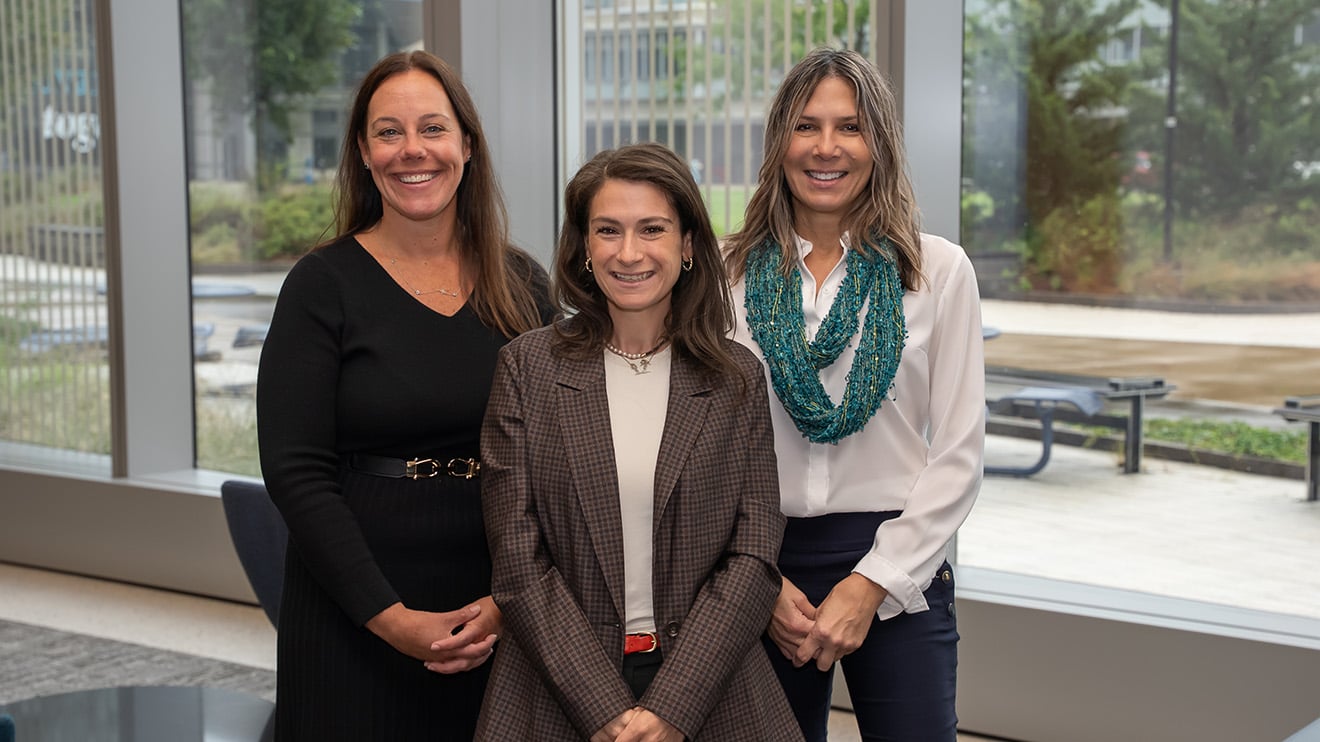
Photo: Bryan Goodchild
A major statewide project focused on reducing youth violence and the impact of violence to communities in Massachusetts is being led by the Law & Psychiatry Program in the Implementation Science and Practice Advances Research Center, or iSPARC, in collaboration with ForHealth Consulting at UMass Chan Medical School and the Massachusetts Department of Mental Health.
Launched in October, the project will pilot two evidence-based practices–a cognitive behavioral therapy for young people and family-based intervention–in partnership with youth service agencies and community organizations in Bristol and Hampden counties. The initiative aims to serve groups of young people aged 12 to 25 and their families impacted by violence.
“The purpose of this project is to reduce the behavioral impacts of violence and serve youth who are engaging in violence, people who are victims of violence and communities affected by it,” said Gina Vincent, PhD, professor of psychiatry & behavioral sciences and co-director of the Law & Psychiatry Program.
As many as eight individuals and several families will be enrolled in the pilot program every 90 days, starting at two community youth organizations in Bristol and Hampden counties, with the goal of fine-tuning the evidence-based practices and expanding them statewide. The project aims to recruit additional community organizations each year and expand to other parts of the state by year three.
“The organizations are going to be adopting and implementing the evidence-based practices for youth violence reduction, and we will be gathering data from those interventions,” Dr. Vincent said. “We’re also going to help grow the peer-based support network to provide mentors and positive role models for people who have engaged in violence or have been victims of violence.”
The team, led by Geneva Weymouth, LMHC, project director in the Law & Psychiatry Program at UMass Chan and Vincent, was awarded a five-year, $3.8 million capacity building grant from the Substance Abuse and Mental Health Service Administration to support the project’s sustainability. Project objectives will be driven by a Behavioral Health Community Safety Coalition comprising representatives from major state agencies including the Massachusetts Department of Public Health, Department of Youth Services, Probation Services and the Department of Children and Families.
According to Weymouth, early intervention with evidence-based practices can help young people move away from violence and can be impactful for individuals and their families and communities to address trauma and violent experiences for better long-term outcomes.
“At this age group, there’s still a lot of opportunity for change for the better. By using evidence-based practices, we can help young people heal from traumatic experiences, support families and steer youth away from violence, ultimately leading to more positive outcomes for the entire community,” Weymouth said.
Meaghan Dupuis, LMHC, executive director of ForHealth Consulting, is serving in a senior advisory role on the project. She said the evidence-based practices can serve as an outlet for young people to uncover any underlying causes or responses toward violence, including feelings of anxiety, depression or anger.
“It’s about giving families and young people the tools to build social-emotional health and recognize what may be driving their behavior,” Dupuis said. “By helping youth understand and express what they’re feeling, we can provide healthier alternatives to violence and substance use.”
The project team also includes Spencer Lawson, PhD, assistant professor of psychiatry & behavioral sciences at UMass Chan; and collaborators from the Department of Mental Health, including Omar Irizarry, MS, NMP, director of cross-agency initiatives; Joanne Barros, PhD, LMHC, CCHP, acting deputy director for forensic operations; and Liam Seward, director of compliance and emergency management.