
At a glance |
|---|
|

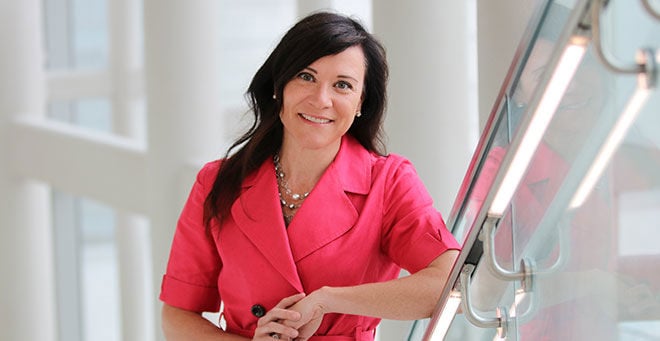
Photo: Bryan Goodchild
Scientists at UMass Chan Medical School have received $6.8 million over four years from the Department of Defense to identify genetic and biochemical factors that help neurons recover from traumatic brain injuries (TBI). Led by Daryl Bosco, PhD, the Paul J. DiMare Chair in Neurodegenerative Disease, professor and associate vice chair of research for the Department of Neurology, the study will identify genes in both males and females that lead to traumatic brain injury-induced neurodegeneration. These findings will inform potential new therapeutic targets meant to mitigate the long-term damage caused by traumatic brain injuries, which includes an increased risk for neurodegenerative diseases such as Alzheimer’s, frontotemporal dementia and ALS.
“We’re looking for genes that protect neurons from traumatic brain injury using a genetic screen. Understanding how and why neurons are protected will potentially reveal druggable targets for TBI,” said Dr. Bosco.
Since 2000, more than 485,000 military service members have experienced traumatic brain injuries. While blast injuries are often associated with TBI among military services members, vibrations and pressure experienced from repeatedly firing weapons during training or conflict, as well as falls, motor vehicle accidents and other injuries sustained during daily activities also contribute to head injuries.
Trauatic brain injuries occur when an external physical force, such as a bump, blow, or jolt to the head causes neurons to die, disrupting normal brain function. Mild injuries, including concussions, can cause a brief change in mental status, confusion or a short loss of cautiousness. More serious injuries can cause extended loss of consciousness, amnesia, diminished cognition or even coma. Small, repeated impacts, even if relatively minor or unnoticed in the moment, can also have a cumulative impact over time that emerges years later.
In addition to the direct impact damage, delayed cellular, chemical or blood vessel changes (such as brain swelling or inflammation) can develop over hours, days or weeks after the initial event, causing more neurons to die.
Ultimately, traumatic brain injuries can lead to long-lasting physical, emotional and cognitive neurodegenerative symptoms, such as headaches, dizziness, memory problems, difficulty concentrating, problems sleeping, anxiety and depression.
“The challenge, aside from there being no FDA-approved drugs for TBI, is that there is a paucity of data about the condition,” explained Bosco. “We don’t know the genes or biochemical mechanisms responsible for why some people go on to experience neurodegeneration and others don’t. This research will help us understand how TBI affects the brain and potentially identify therapeutic targets that can protect neurons.”
Bosco, Martin Kampmann, PhD, the Paul G. Allen Distinguished Investigator at the University of California San Francisco, and colleagues, will use CRISPR screens to identify genes that help neurons recover from traumatic brain injuries with the hope that these discoveries will reveal biochemistries that can be used to protect neurons after a traumatic brain injury happens.
“One of the things we hope to find are biochemical indicators that can assess the severity of the injury to the neurons or that could tell us when something detrimental to the neurons is happening. That way we can predict when the condition might get worse and intervene early,” said Bosco.
Researchers will be looking at TBI in male and female models because there is evidence that traumatic brain injuries may impact men and women differently. For example, female veterans who have experienced traumatic brain injuries are more at risk for depression and dementia.
“In general, as scientists in the TBI field, we don’t look enough at the differences between men and women,” said Bosco. “In this study, we really want to make sure we look at any potential sex differences. Especially as the number of women in the military is expected to rise by 18 percent by 2040.”
Other collaborators on the project include: Andrew A. Pieper, MD, PhD, professor of psychiatry and neuroscience at Case Western Reserve University; and UMass Chan faculty Oliver King, PhD, assistant professor of neurology; Jonathan K. Watts; PhD, professor of RNA therapeutics; and Jessica Spinelli, PhD, associate professor of molecular medicine and a scholar of the Howard Hughes Medical Institute.