






|
|
|
Tariq Rana, Ph.D.
Other Affiliation(s):
Center for AIDS Research
On Leave of Absence 9/08 - 9/10
Architecture and function of molecular assemblies involved in RNAi and HIV replication
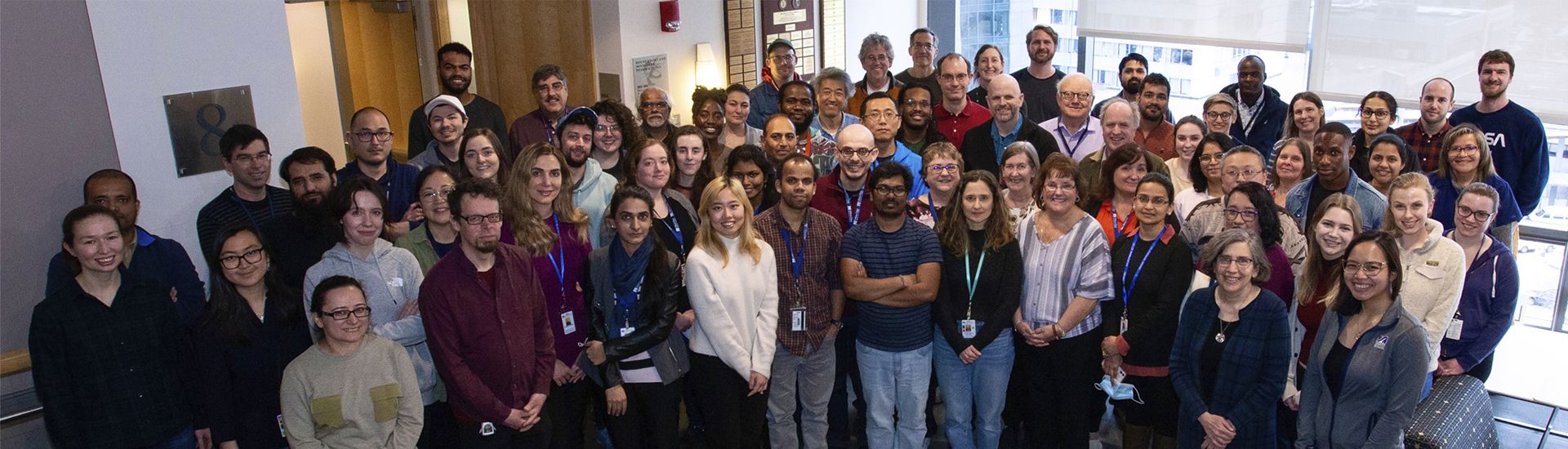
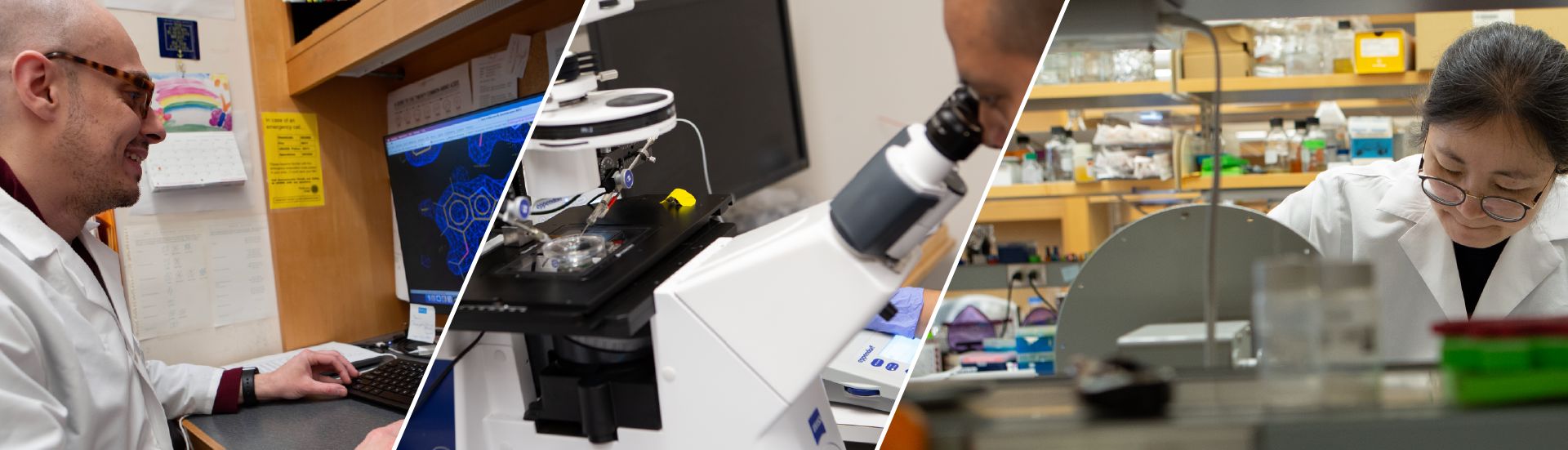
Nucleic acids and proteins are often assembled into large and complex molecular machines to perform specific cell functions and to control various regulatory networks. Small changes in one component of a molecular machine can have enormous functional consequences leading to a disease state. In general, we would like to understand how these complex molecular machines are formed and how they control specific cellular functions. In particular, we have two broad areas of interest: (1) mechanisms and therapeutic applications of RNAi, (2) understanding and controlling HIV replication. Our group consists of biologists and chemists working together to address these important problems in biology and medicine. Our laboratory develops and applies innovative multidisciplinary approaches to investigate and control the underlying mechanisms involved in RNAi and HIV replication. In addition to biochemical, molecular and cell biology methods, these approaches include developing nanotechnologies and new delivery agents to silence tissue-specific genes in animals, developing high-throughput screening assays to identify small molecules as modulators of cellular functions and HIV-1 replication, and combinatorial and bioorganic chemistry.
Mechanisms and therapeutic applications of RNAi
RNA interference (RNAi) is a post-transcriptional gene-silencing phenomenon that suppresses gene expression of a target messenger RNA (mRNA) by cleaving it at a specific site. Due to the remarkable specificity of gene silencing, RNAi has revolutionized studies of gene function in animals and in plants. Using RNAi, gene functions can be perturbed at will to investigate the function of specific genes at the cellular or organism level. RNAi is triggered by double-stranded RNA that is converted into small interfering RNAs (siRNAs). siRNA associates with an RNA-induced silencing complex (RISC) to form a large RNA-protein (RNP) complex that can recognize and cleave an mRNA target. Alternatively, endogenous small micro RNAs (miRNAs) form RISC-RNP complexes that target specific mRNAs to suppress their translation. Despite the importance of RNAi in biology and medicine, very little is known about the molecular and cellular mechanisms underlying RNAi in humans. Our lab is currently addressing several key questions: (1) What structural features of siRNAs are required for various RNAi functions? (2) What are the components of RISC in vivo? (3) What are the specific sites for RISC assembly and activity in the cell? (4) What roles does the RNAi machinery have in programming human embryonic stem cells? By answering these questions, we will uncover fundamental principles that govern RNAi pathways in humans.
In addition to its biological applications, RNAi shows great promise for developing new therapies, especially when a disease state is caused by dominant, gain-of-function mutations in people bearing one wild-type and one mutant copy of the gene, or when a disease-causing gene is not amenable to conventional drug therapies. However, the development of siRNA-based therapies needs to overcome two barriers: (1) identifying chemically stable and effective siRNA sequences, and (2) efficiently silencing target genes in specific tissues. During the last few years, we have uncovered structural and functional features of siRNA and have developed chemical rules to design siRNAs that are stable for in vivo applications. To deliver siRNA in vivo, we recently synthesized new nanomaterials that can specifically silence target genes in animals at therapeutically achievable siRNA doses. Our current research focuses on controlling the tissue-specific delivery of siRNA and on inhibiting microRNA functions in animals. In collaboration with other laboratories, we are investigating the therapeutic applications of these technologies in various disease models: (1) neurodegenerative disease amyotrophic lateral sclerosis (ALS or Lou Gehrig’s disease), (2) diabetes and obesity, and (3) cancer. Using chemically stabilized siRNAs in combination with nanomaterials to achieve therapeutic effects provides great hope for developing RNAi-based therapies in the near future to cure diseases caused by proteins that cannot be targeted by conventional drugs.
Understanding and controlling HIV-1 replication
HIV-1 is a complex pathogenic retrovirus with at least nine known genes. After the virion enters the host cell, the HIV-1 genome is reverse transcribed to make a viral cDNA that integrates into the host genome via the viral gene product, integrase. The HIV-1 genome is then transcribed to produce new viral proteins and full-length HIV-1 genomes for packaging into new virions. In addition to structural proteins, six regulatory proteins (Tat, Vif, Rev, Nef, Vpr, and Vpu) are coded by the HIV-1 genome to facilitate the production of new virions and further infectivity. Another essential step in the viral life cycle is the processing of large structural proteins by HIV-1 protease. The success of the HIV-1 life cycle depends on its regulation by human factors that either positively or negatively affects virion production and infectivity. Ensuring the up- or downregulation of the appropriate human factors is key for the virus to survive. We are interested in understanding the mechanisms of two viral regulatory proteins, Tat and Vif, in modulating the HIV-1 life cycle and host-pathogen interactions.
Tat is a transcriptional transactivator protein that binds to a regulatory element in the HIV-1 long terminal repeat, designated TAR RNA, which is capable of forming a stable stem-loop structure. Tat interacts with human cyclinT1 (CycT1), a regulatory partner of CDK9 in the positive transcription elongation factor b (P-TEFb) complex, and binds cooperatively with CycT1 to TAR RNA. By recruiting P-TEFb to TAR, Tat promotes transcription of viral mRNA. Vif is a viral infectivity factor that inhibits packaging of the antiviral host protein APOBEC3G by downregulating its level in infected cells. To understand the molecular mechanisms by which Tat activates transcription and by which APOBEC3G mediates innate cellular immunity, we are probing molecular interactions among the functional complexes of P-TEFb-Tat-TAR and of Vif-APOBEC3G. In addition, we are identifying and characterizing host proteins involved in regulating the function of Tat and Vif. RNAi and small molecule approaches are being employed to perturb interactions between the host and pathogen proteins. Understanding these mechanisms and identifying inhibitors of Tat, Vif, and HIV-1 protease would provide candidates for developing new drugs to treat HIV/AIDS.
Office: LRB 827, Lab 860 A-E
Phone: 508-856-6216
E-mail: Tariq.Rana@umassmed.edu
Keywords:
Pharmacology,
Biochemistry,
Chemical Biology
|
|