






GRAPHIC: UMass Medical School logo (6kb) Header Graphic
 

BMP Home

About Us

Faculty

Graduate Program

Chemical Biology

BioInformatics

Core Facilities

Seminars & Events

Courses

Laboratory Rotations

Postdoctoral Training Opportunities

Useful Links

UMASSMED users onlyBMP Intranet

spacer graphic

Section: Research
Postdoctoral
Position
Available

Michael Czech, Ph.D.

Academic Role: Professor

Faculty Appointment(s) In:
   Program in Molecular Medicine

Joint Faculty In:
   Biochemistry and Molecular Pharmacology

Other Affiliation(s):
   Center for AIDS Research
   Interdisciplinary Graduate Program

Molecular Mechanisms of Insulin Signaling and Metabolic Regulation

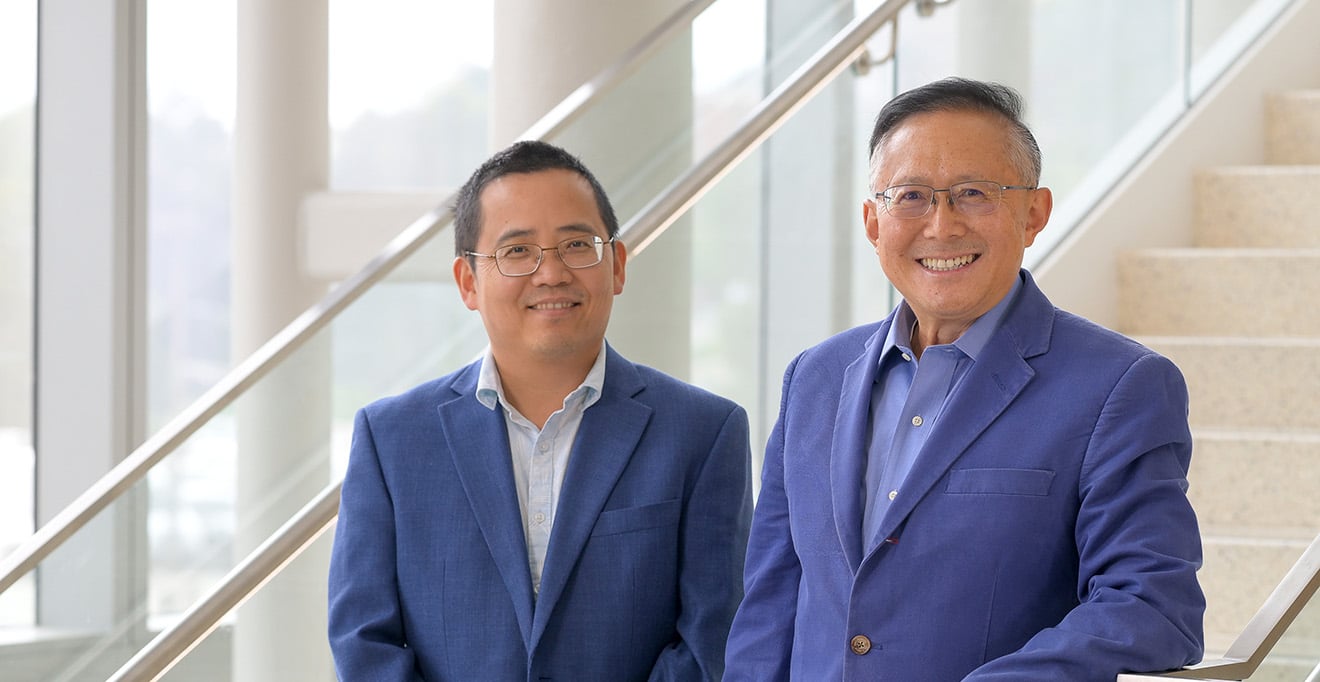
mike czech's photoThe hormone insulin signals through a receptor tyrosine kinase to regulate multiple key cellular processes required for both normal development and metabolic homeostasis.  Impairment in insulin receptor signalling appears to be a causative factor in the development of type 2 diabetes mellitus, a chronic and often debilitating disease affecting about 6% of the US population.

Research in our laboratory is directed at understanding the molecular basis of insulin signaling on glucose transport, which occurs selectively in muscle and fat cells and involves membrane trafficking of sequestered, intracellular glucose transporter proteins to the plasma membrane.  Thus our work on this topic bridges two exciting fields of biology – cell signaling and membrane trafficking.  Our efforts are directed at identifying the key cellular components that connect insulin signaling to membrane recycling of glucose transporter proteins.  Approaches we employ include genomics and proteomics technologies that identify genes and proteins expressed selectively in insulin-sensitive tissues, and RNAi-based functional screens that identify novel regulators of insulin action.  We also collaborate with the Biomedical Imaging Core using high resolution TIRF microscopy to follow membrane trafficking of glucose transporters near the plasma membrane prior to and during membrane fusion.

RNAi-based screens we performed have identified novel regulators of adipocyte gene expression that function to control whole body metabolism.  One example is the transcriptional corepressor RIP140 that suppresses sets of genes encoding enzymes and mitochondrial proteins that enhance oxidative metabolism. Remarkably, the RIP140 knockout mouse exhibits a lean phenotype on a high fat diet and enhanced glucose tolerance.  These findings indicate that RIP140 depletion causes mitochondrial biogenesis and increased fatty acid oxidation and energy expenditure in mice, and may be a promising therapeutic target for obesity and type 2 diabetes.


Office: Suite 100
Phone: 508-856-2254
Fax: 508-856-1617
E-mail: Michael.Czech@umassmed.edu
Keywords: Signal Transduction, Cell Biology, Biochemistry

More on Michael Czech's Research
Research | Figures | Publications | Rotations | Personnel | Biography
View All Sections on One Page

Postdoctoral Position Available

A postdoctoral position is available to study in this laboratory. Contact Dr. Czech for additional details.

spacer graphic
INTRANET spacer graphic top   print   spacer graphic